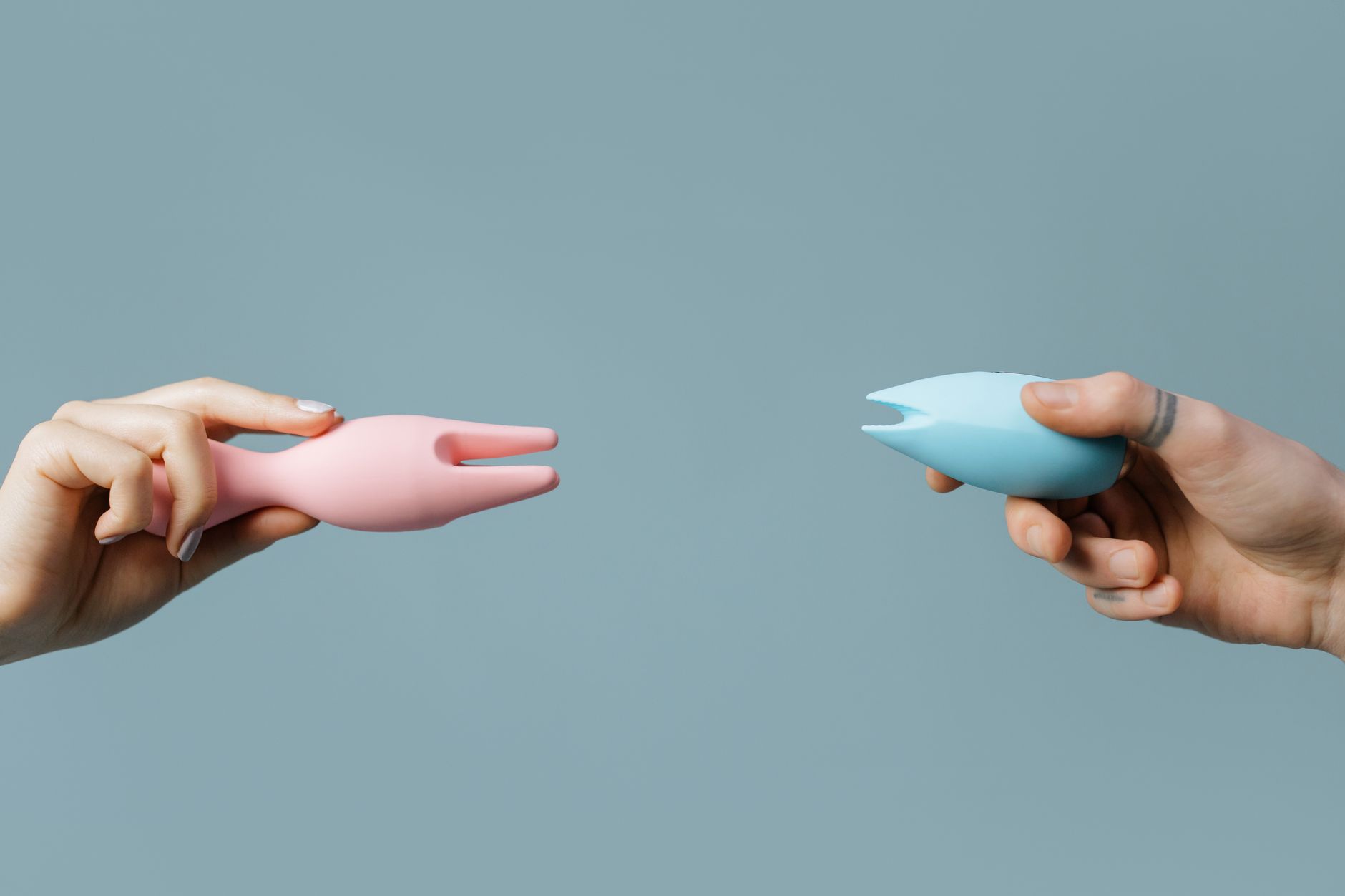
Here's what nobody tells you about perimenopause and arousal
Your libido didn't vanish. Your arousal did. There's a difference, and it matters because confusing the two sends most people down the wrong path looking for solutions that don't exist.
Perimenopause changes arousal in specific, predictable ways. It doesn't erase desire. But the chain reaction that used to happen in your body when you were turned on. That gets quieter. The blood flow isn't as fast. The clitoral sensitivity doesn't spike the same way. Your body needs more time and a different kind of touch to get to the same place it used to reach automatically.
What's actually changing in your brain and body
Estrogen is dropping, but it's not gone. Progesterone is fluctuating wildly. Both of these hormones regulate blood flow to the pelvic region, control how quickly your clitoris engorges, and affect the density of nerve endings that fire when you're being stimulated.
Here's the clinical piece. Arousal is a chain reaction. Touch triggers a nerve signal, which travels to your brain, which releases dopamine and oxytocin, which tells your blood vessels to dilate and flood the clitoris. During perimenopause, that chain reaction still exists. It's just slower. More steps take longer. The final outcome requires more input.
So when you touch yourself the way you did five years ago and nothing happens, your brain goes: "I'm broken." Your brain is wrong. Your neurobiology just needs a different stimulus.
Why lemon vibrators work better during this transition
Think about what a lemon clitoral vibrator does differently than your hand or a traditional vibrator. Most vibrators rely on buzz. They send high-frequency vibrations into tissue, which works when tissue is already engorged and ready. During perimenopause, that high-frequency approach often feels flat or even painful on tissue that's thinner and less responsive.
Lemon vibrators use suction. That's not semantics. Suction creates a different neural pathway. Instead of vibration, you're creating gentle rhythmic pressure that draws blood into the clitoris, which creates engorgement, which makes sensation possible. You're not trying to stimulate tissue that isn't ready. You're building the readiness first.
I've worked with hundreds of people going through perimenopause, and the pattern is consistent. Traditional vibrators stop working around month seven of irregular periods. Lemon clitoral vibrators start working. The suction pattern awakens sensation that has gone quiet.
The warm-up window has changed, and that's fine
One of the biggest shifts during perimenopause is how long arousal takes to build. You might remember needing five minutes. Now it's twenty. This feels like failure. It's not. It's your new normal, and it's actually useful information.
When you know arousal takes longer, you can build it intentionally. Most people try to rush through the early stages and then get frustrated when nothing is happening. Instead, budget the time. Start with a lemon vibrator on the lowest setting. Spend ten minutes on external sensation. Let your body build engorgement slowly. Then gradually increase intensity.
This isn't a workaround. This is the rhythm your body actually needs right now. Fighting it makes everything harder. Honoring it makes pleasure return.
Lubrication changes, and lemon vibrators handle it better
Estrogen drops. Tissue gets thinner. Lubrication decreases. This is real and worth acknowledging directly. When tissue is less lubricated, friction vibrators create irritation instead of pleasure. The vibration that used to feel intense now feels raw.
Suction-based lemon vibrators don't depend on lubrication the same way. Because they're not using friction, less lubrication doesn't kill the experience. You still want to use a water-based lubricant for comfort. But a lemon vibrator works effectively even when you're not producing as much natural lubrication as you used to.
This is one reason why so many people in perimenopause and menopause report that lemon sexual toys are the first thing that has genuinely worked for them in months or years. It's not magic. It's biomechanics.
The psychological piece is as real as the physical piece
Perimenopause doesn't just change your body. It changes your headspace. You might be dealing with sleep disruption, hot flashes, mood shifts, and the weird existential grief of watching your fertility window close. All of that lives in the same nervous system that's supposed to be aroused.
It's very hard to be turned on when your amygdala is running background anxiety. It's very hard to focus on sensation when you're hot, uncomfortable, and furious at your body for betraying you.
This is where the ritual of using a lemon vibrator actually becomes therapeutic. You're not just stimulating nerves. You're also creating a boundary around pleasure. You're deciding that for fifteen minutes, your body's job is to feel good, not to be productive or present for anyone else. That permission shift alone changes how your nervous system shows up.
How to actually use a lemon vibrator during perimenopause
Start with the device turned off. Spend time with your hands first. This isn't about reaching orgasm. It's about remembering what sensation feels like. Then turn the lemon vibrator on to pattern one or two. Most lemon clitoral vibrators have eight to ten patterns. You want to be starting in the low-intensity range.
The suction intensity matters more than speed during this phase of your cycle. A slow, steady suction pull will wake up sensation faster than a quick, light pressure. You're essentially coaxing blood back into tissue that's been quiet.
Give yourself at least twenty minutes. Yes, really. Your younger self could reach orgasm in five. Your current self might need the full time to build the engorgement that makes orgasm possible. This isn't a bug. It's your body asking for what it actually needs.
If nothing happens the first few times, that's normal. Your body is remembering how to respond. Usually by the third or fourth session, sensation starts returning. By the eighth or ninth, people report that orgasms are back and often stronger than they were before perimenopause started.
When to check in with a doctor
If you're experiencing pain during stimulation, that's worth mentioning to a gynecologist or menopause-trained doctor. Genitourinary syndrome is common and treatable. If arousal never returns even with consistent use of a lemon vibrator, that might point to something else going on. Hormonal shifts can unmask other things. But most of the time, arousal returns when you give your body the right stimulus.
The goal here isn't to feel like you did at twenty-five. It's to rebuild pleasure that works for the body you have right now. Lemon clitoral vibrators are designed exactly for this transition. They're not a consolation prize. They're the tool that actually matches what your nervous system needs.
The bigger picture
Perimenopause lasts on average four to ten years. That's a long time to white-knuckle through without pleasure. It's also a long time to spend convincing yourself you're broken when you're not. Your arousal is quieter because your hormones are shifting. That's a fact, not a failing. And lemon vibrators are built for the arousal pattern that comes with this specific season of your life. Lean into that. The pleasure is still there. It just needs a different approach.
People also ask
How do lemon vibrators compare to regular vibrators for perimenopause?
Traditional vibrators use buzz frequency to stimulate tissue. During perimenopause, when tissue is less engorged and more sensitive, buzz frequency often feels flat or uncomfortable. Lemon clitoral vibrators use suction technology instead, which creates rhythmic pressure that builds engorgement and awakens sensation. The difference is biomechanical. Suction works better when arousal is slow to build because it's not relying on friction or tissue that's already responsive.
Will my arousal come back after perimenopause ends?
Most people report that arousal gradually increases as they move through perimenopause and into early menopause. The transition is progressive, not sudden. Some people find that once they get through the three to five years of the steepest hormonal change, arousal rebounds and feels different but equally satisfying. Others find that lemon vibrators become part of their permanent pleasure toolkit because they prefer how they feel. There's no one timeline. But the arousal that feels absent right now often returns, especially if you're using tools that work with your current body rather than fighting against it.
Can I use a lemon vibrator if I'm on hormone replacement therapy?
Yes. If you're on HRT, you might find that arousal returns faster or with less external stimulation. But the principles stay the same. Your body is still transitioning. A lemon vibrator can help you build sensation intentionally during that transition, regardless of whether you're on HRT. If you notice significant changes in sensation after starting HRT, that's worth noting with your doctor, but lemon vibrators are safe to use alongside hormone therapy.
How often should I use a lemon vibrator to rebuild arousal?
I recommend starting with two to three times per week. This is frequent enough that your nervous system starts recognizing the pattern and building engorgement faster, but not so frequent that you're creating friction or irritation. After a few weeks, you might find that you can use it more or less often depending on what feels good. The goal isn't frequency. It's consistency. Your body learns faster with regular, gentle, predictable stimulation than with sporadic intense sessions.
Is it normal for arousal to feel completely absent during perimenopause?
Very normal. And very temporary. The hormonal fluctuations during perimenopause can create windows where arousal feels completely switched off. You might go two weeks where touch feels like nothing, and then suddenly sensation returns. This is frustrating but not abnormal. It's your body's nervous system responding to shifting hormone levels. During the quiet periods, maintaining a consistent lemon vibrator practice actually primes your nervous system so that when sensation does return, it's easier to access.
Should I use lubrication with a lemon vibrator during perimenopause?
Yes. Even though lemon vibrators rely on suction rather than friction, lubrication makes the experience more comfortable. Your tissue is thinner during perimenopause, and lubrication reduces irritation and makes the seal between the device and your tissue more effective. Use a water-based lubricant. Reapply as needed. This is one of those small comfort details that transforms the experience from okay to genuinely enjoyable.