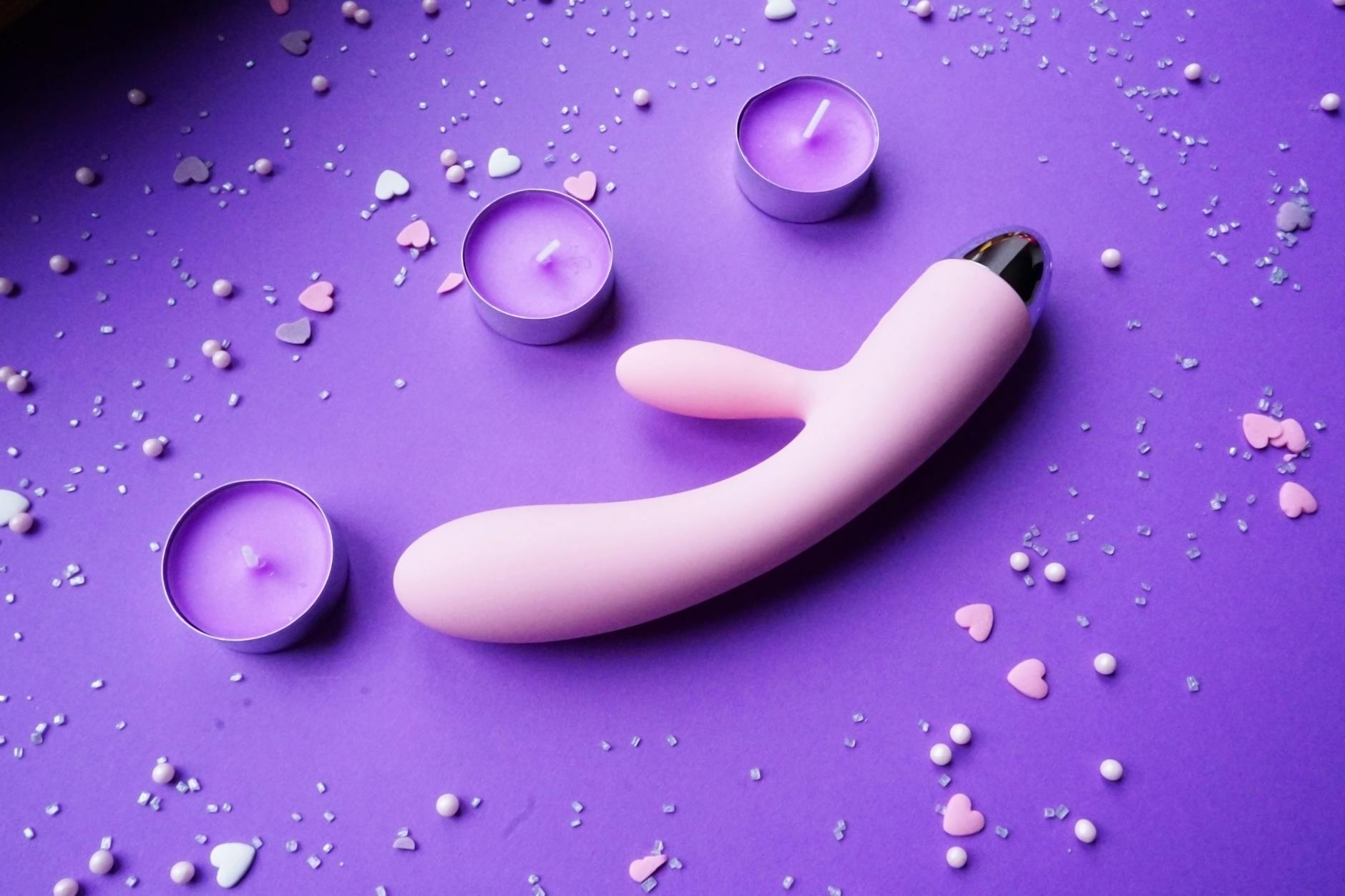
Let's talk about what pelvic floor dysfunction does
Pelvic floor dysfunction is sneaky. It arrives quietly, often from stress, childbirth, repetitive strain, or plain old tension, and suddenly your pleasure vanishes. Not because something is broken. Because your muscles are locked.
When the pelvic floor tightens chronically, blood flow decreases, nerve sensitivity dulls, and arousal becomes nearly impossible. The thing that's supposed to support pleasure ends up blocking it entirely.
Here's the tough part: many people think the solution is to just relax, try harder, or use the same lemon vibrators they used before. That's backwards. You need a tool designed for rebuilding sensation, not one that assumes sensation is already there.
How pelvic floor tension actually kills pleasure
Let's get specific about what's happening inside.
Your pelvic floor is a hammock of muscles supporting your bladder, uterus, and rectum. When you're stressed, anxious, or recovering from trauma, these muscles contract and stay contracted. Over time, that chronic tension becomes your body's baseline. The muscles forget how to fully relax.
Sensation requires blood flow. Relaxed tissue gets plenty of it. Tense tissue doesn't. Your clitoris has thousands of nerve endings, but if blood isn't flowing to the area, those nerves go quiet. You can stimulate as much as you want, but the signal doesn't arrive. That's why some people with pelvic floor dysfunction report feeling almost nothing during sex, even though physically they're fine.
The emotional piece makes it worse. Months of failed arousal breed frustration, shame, and avoidance. Your brain learns: "stimulation doesn't lead to pleasure," so desire itself shrinks. You're dealing with a physical problem that's created a psychological one.
Why lemon clitoral vibrators work differently for this
Most vibrators use rapid oscillation or vibration. They demand that your nervous system wake up fast. If your pelvic floor is in recovery mode, that shock can trigger more tension, not less.
The lemon vibrator works differently. It uses gentle suction, a gradual build-up that coaxes tissue to relax rather than forcing it awake. The sensation is slower, more meditative, and it creates what's called a "stimulus gradient." Your body gets to choose the intensity level it can handle, and it gradually discovers it can handle more.
That suction mechanism matters specifically during recovery. It doesn't rely on friction, which can feel harsh on tense, desensitized tissue. It gently pulls and releases, stimulating the thousands of nerve endings in a way that feels more like a massage than a jolt. Over time, as you use it regularly, your nervous system remembers: "Oh, this feels good. I can relax here."
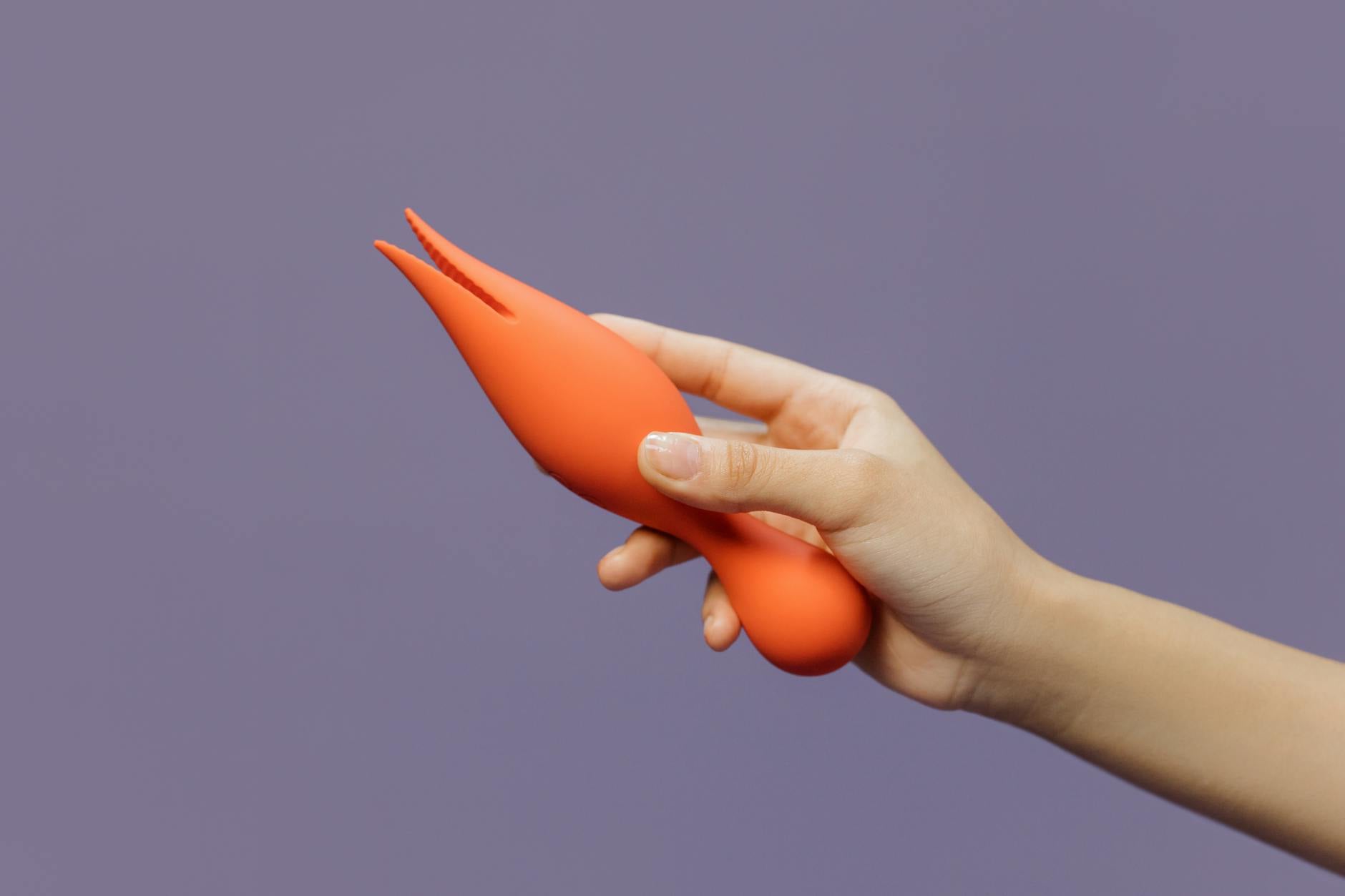
Photo by cottonbro studio on Pexels
The other piece is control. When you're rebuilding sensation, you need to start gentle and stay in charge. The lemon vibrator has multiple intensity settings, which means you're not choosing between "nothing" and "overwhelming." You can start at level 1, spend weeks there, and gradually move up as your body responds. That pacing is everything.
The nervous system has to relearn pleasure
Here's something most people don't realize: your brain is involved in pelvic floor recovery as much as your muscles are.
When you've spent months or years with a locked pelvic floor, your nervous system has learned a trauma response. The moment you feel touch or pressure in that area, your brain sends a protection signal: clench. It's automatic, and it's not your fault. It's your nervous system doing its job, which is keeping you safe.
Recovery means teaching your nervous system that sensation is safe again. This takes repetition. It takes showing your body the same stimulus over and over until the pattern breaks.
This is why I recommend what I call "casual pleasure practice." Not goal-oriented masturbation trying to have an orgasm. Just 10-15 minutes, a few times a week, with a lemon vibrator on the lowest setting, while you breathe and pay attention to what you're feeling. No pressure to come. No expectation of anything. Just sensation.
After 4-6 weeks of this, most people report feeling something shift. The clench loosens slightly. Sensation starts returning. The second and third months, arousal comes faster. By month 3-4, many people are back to baseline pleasure, and often reporting deeper sensation than before.
Pairing lemon vibrators with physical recovery work
A good clitoral vibrator is one tool in a toolkit. By itself, it's helpful. Combined with pelvic floor physical therapy, it's transformative.
If you're dealing with pelvic floor dysfunction, a pelvic floor physical therapist is essential. They'll teach you how to identify the tension, how to breathe into release, and how to do specific relaxation exercises. Many people also benefit from myofascial release, stretching, and sometimes internal manual therapy.
The vibrator sits alongside that work. During the day, you're doing your exercises and releasing tension. At night or a few times a week, you're using the lemon vibrator to remind your nervous system what pleasure feels like. Together, they accelerate recovery dramatically.
Many of my clients who've done both report that the combination cuts recovery time in half. The physical therapy does the heavy lifting on pelvic floor tension. The lemon vibrator does the heavy lifting on nervous system retraining.
When to use it and how to avoid re-traumatizing yourself
Timing matters. If your pelvic floor is in acute pain or very tense, start without the vibrator. Let a physical therapist work with you first for 2-4 weeks. Once pain is down to a 2-3 out of 10 and you're seeing some progress with relaxation, bring the lemon vibrator in.
Start at the lowest setting. Many people want to skip ahead to what they remember from before, and they jump straight to level 3 or 4. Don't. Your nervous system needs to relearn incrementally. Spend at least two weeks at level 1. Just feel it. Notice where sensation is coming back. Pay attention to your breath. If you notice your pelvic floor clenching in response, that's fine. Don't fight it. Just breathe, and gently bring your awareness back to the sensation.
Some days you won't feel anything. Some days you'll feel something and it'll be confusing or uncomfortable. That's normal. Progress isn't linear. Your nervous system is rewiring itself. Inconsistent sensation is part of that process.
If at any point stimulation triggers pain or a strong clench response, stop. Rest. Check in with your physical therapist. You might need to back up a level or take a break. There's no rush.
The emotional component you can't skip
Pelvic floor dysfunction often lives inside shame, and that shame slows recovery. You might feel broken, or like your body betrayed you, or like you've lost an important part of yourself.
I want to be direct: that's grief, and it's valid. But it's also temporary. Your body hasn't failed you. It protected you. Now it's learning to relax.
Many of my clients benefit from talking through this with a therapist who specializes in sexual health or somatic work. Not because there's something wrong with them, but because rebuilding pleasure after pelvic floor dysfunction involves both body and mind. If you're carrying shame or fear around that area, it will make the physical recovery harder. Processing that alongside the physical work accelerates everything.
Partner sex is often on the horizon of recovery too. If you're in a relationship, I recommend keeping your partner in the loop about what you're working through, without over-explaining. Something like: "I'm working with a physical therapist on some pelvic floor stuff. I'm using a vibrator as part of my recovery. I'll let you know when I'm ready to try partnered sex again." That transparency prevents assumptions and keeps intimacy from becoming another source of pressure.
How quickly can you actually recover sensation
Every body is different, but here's what I see clinically.
Weeks 1-2: Most people report no change, or minimal sensation. That's expected. You're just starting to teach your nervous system.
Weeks 3-6: Sensation starts returning. It's often subtle. You might notice that arousal comes slightly faster, or that you feel something you didn't feel before. This is huge.
Weeks 7-12: For many people, baseline pleasure returns. Arousal is back to normal timing. Orgasm becomes possible again. Some people report sensation is actually deeper than it was before the dysfunction, because they've spent so much time paying attention to what feels good.
Week 13+: You're in maintenance mode. Most people continue using the vibrator 1-2 times a week because they love it, not because they need to. They're back to their normal sexual life.
Some people take longer. If you've had pelvic floor dysfunction for years, or if it's tied to trauma, recovery might take 4-6 months. That's okay. Slower recovery is still recovery.
FAQ: Your questions about lemon vibrators and pelvic floor recovery
Can I use a regular vibrator instead of a lemon vibrator for pelvic floor recovery?
You can, but a lemon vibrator is specifically designed for this work. The suction mechanism is gentler than oscillating vibration, and it's easier to control intensity. If you already have a regular vibrator, start on the lowest setting and see how your body responds. But if you're buying new, a lemon clitoral vibrator is the better choice for recovery because you get more control over stimulus intensity and a more gradual sensation.
How long should I use the lemon vibrator during each session?
Start with 10-15 minutes. That's long enough to feel something without overstimulating. As you progress, you might use it for 20-25 minutes, or just until you feel satisfied. There's no rule. Listen to your body. If you're tired or the area feels tender, 5 minutes is fine.
Will using a lemon vibrator delay my physical therapy results?
No. In fact, it accelerates them. Physical therapy handles the muscular tension. The vibrator handles the nervous system retraining. They work together. Just make sure you're not using the vibrator as a replacement for physical therapy. You need both.
What if stimulation with the lemon vibrator causes my pelvic floor to clench even more?
That's a protective response, not a failure. Your nervous system is saying "wait, I need to be safe first." Dial back the intensity to the absolute minimum, or take a week off and let your physical therapist help you process this. Clenching in response to touch often means you need more nervous system safety work before pleasure practice makes sense.
Can I use lube with my lemon vibrator during recovery?
Absolutely. In fact, I recommend it. Use water-based lube, which reduces friction and makes the sensation feel smoother. This is especially helpful if your tissue feels dry or tender during recovery. A little lube makes the experience more comfortable and often helps sensation feel better.
How will I know if my pelvic floor dysfunction is actually improving?
You'll feel it. Arousal will come faster. Sensation will be more obvious. You might notice your pelvic floor feels looser throughout the day, not just during intimate moments. Your physical therapist might measure improvements in your pelvic floor strength and relaxation. And honestly, you'll just feel more like yourself.
You're not starting from zero
Recovery from pelvic floor dysfunction takes patience, the right tools, and permission to go slowly. A lemon vibrator gives you a way to rebuild sensation on your own timeline, with full control over intensity. Combined with physical therapy and emotional processing, it's one of the most effective ways to reclaim pleasure after your pelvic floor has locked you out.
If you're starting this journey, know that thousands of people have been exactly where you are. Your body can relearn pleasure. It just needs the right conditions, the right tool, and time. Start low, be patient, and trust the process.