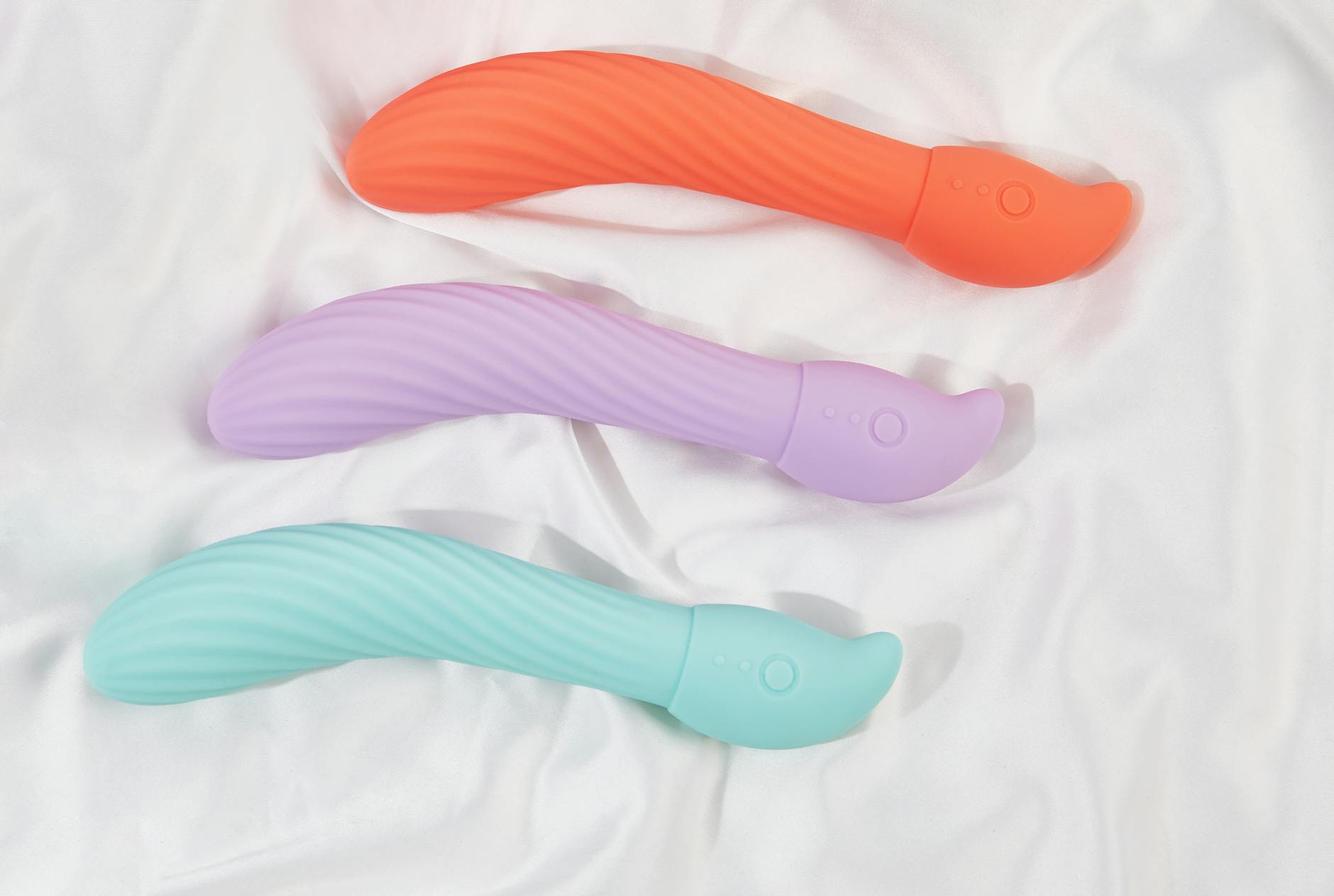
Your body is doing something you haven't felt in years
The moment you stop taking hormonal birth control, your body starts recalibrating. For some people, that recalibration is obvious. For others, it creeps up slowly. Either way, your pleasure landscape is shifting, and if you're not prepared for that, it can feel confusing or even disappointing.
Let's be real: no one talks about the sexual side effects of stopping the pill. You hear about acne returning, mood shifts, and cycle changes. But the way pleasure rebuilds? That's usually a surprise.
What happens to your body after you stop hormonal birth control
Hormonal birth control suppresses your natural hormone cycle. For years, your estrogen and testosterone levels stay artificially low and stable. Then you stop taking it, and your body goes, "Oh, NOW we're cycling again." Your hormones spike. Your natural desire fluctuates. Your sensitivity transforms.
Here's what that actually means for pleasure.
During your first few months off hormonal birth control, estrogen rises to levels you may not have felt since before you started the pill. Higher estrogen means thicker vaginal tissue, more natural lubrication, and faster blood flow to your genitals during arousal. That should sound like good news. Usually it is.
But there's a catch. Faster arousal and more sensation can feel overwhelming if you're not expecting it. Some people describe it as hypersensitivity. Their clitoris feels almost too responsive. Touch that used to feel nice now feels intense or even irritating. That's not a sign something is wrong. Your nervous system is just recalibrating to hormones it hasn't felt in months or years.
Why lemon vibrators are particularly useful during this transition
Clitoral vibrators like the Lem work differently than fingers or traditional vibrators. Instead of vibration alone, air-suction technology uses gentle suction to stimulate the clitoris and surrounding nerves. That matters during hormonal transition because suction gives you more control over intensity than vibration does.
When your sensitivity is unpredictable, you need a tool that lets you dial in exactly what feels good in that moment. Pattern 1 on the Lem is whisper-soft. You can start there and gradually increase intensity as your body acclimates. That slow, intentional approach helps your nervous system adjust without triggering the "too much" response.
The air-suction design also feels different from vibration in a way many people find more pleasurable once their hormones settle. It's less like buzzing directly on sensitive tissue and more like a gentle pulling sensation that engages deeper nerve pathways. For people rediscovering pleasure after hormonal suppression, that distinction often makes the difference between "this is okay" and "this is actually amazing."
The first month: what to expect
Your first month off the pill, use lemon vibrators conservatively. I know that sounds cautious, but here's why it matters. Your body is literally producing hormones it hasn't made in years. Your baseline sensitivity is resetting daily. Jumping straight to sensation you're used to can backfire.
Start with the lower patterns on the Lem. Spend time just exploring what feels good. You might discover that your most sensitive zones have shifted slightly. The exact spot that felt best on the pill might feel different now. That's not a problem. It's information.
If you're using a lemon vibrator with a partner, this is worth mentioning. Say something like, "My body is recalibrating right now, so we might need to go slower than usual." That one sentence prevents a lot of confusion and makes it easier to actually enjoy what's happening.
Months two through six: rebuilding rhythm
Around month two or three, things usually stabilize. Your cycle kicks in properly. Your hormones start following a predictable pattern again. Your sensitivity evening out. This is when pleasure often gets really interesting.
Many people report that after they stop hormonal birth control, they experience more intense orgasms than they did on the pill. This isn't universal, but it's common enough that it's worth knowing. Why? Because your testosterone levels are rising back to their natural state. Testosterone is a major driver of arousal and orgasm intensity in everyone, regardless of your biology.
With a lemon clitoral vibrator, this is when you can start experimenting with higher patterns. Your body knows what it wants now. You might find that you prefer a specific pattern, or that you like to start on pattern 2 and build to pattern 4 or 5. You might discover you can have multiple orgasms in a single session, something that wasn't possible on the pill.
If you're interested in using lemon vibrators during sex with a partner, this is a good window to explore it. Your sensitivity is more predictable. Your arousal builds more reliably. Everything feels more collaborative and less like you're chasing a sensation that keeps moving.
When hypersensitivity lingers (and what to do about it)
For a small percentage of people, hypersensitivity doesn't fade after three months. Their clitoris stays irritated or oversensitive even as their cycle normalizes. If that's happening to you, a few things help.
First, slow way down. Seriously. Use pattern 1 on your Lem for a full week. Just pattern 1. Let your nervous system calm. You're not giving up pleasure. You're resetting your baseline so that higher patterns actually feel good instead of uncomfortable.
Second, use plenty of lubricant. Water-based lube creates a gentle buffer between the silicone and your skin, which can make all the difference. It sounds small, but it's often the thing that makes sensitivity manageable.
Third, don't push through discomfort thinking it will fade. If something feels wrong, it's information. Switch patterns. Stop for the day. Try again tomorrow. Your body will tell you when it's ready.
Tracking what's actually happening
One thing I strongly recommend during this transition is keeping a simple note on your phone. Just track which day of your cycle you're in, what intensity pattern felt good, and how your overall pleasure responded. You don't need to write essays. Three sentences is enough.
Why? Because your pleasure is going to shift throughout your cycle now. You might feel less interested in stimulation during your period. You might crave way more intensity during ovulation. This is your body working the way it's designed to. Having notes helps you spot the pattern instead of thinking something is wrong.
If you're interested in understanding how your pleasure cycle works, that information becomes invaluable. You can plan partnered time around when you typically feel most responsive. You can use lemon vibrators intentionally instead of randomly.
Partners and the transition conversation
If you're in a partnership, this is a good moment to have an actual conversation. Not necessarily a formal sit-down, but something real. Let your partner know that your body is changing. That your sensitivity might feel different. That you might need things slower or faster or completely different than before.
The best partners are genuinely curious about this shift. They see it as an opportunity to rediscover each other rather than a problem to solve. If your partner is willing to use a lemon vibrator together during this time, that curiosity pays off. Shared exploration often brings couples closer than they've been in months.
If your partner isn't interested or if you're navigating this solo, lemon vibrators become your own private experiment. There's real power in that. You get to rediscover your body without anyone else's expectations attached.
When to bring in a provider
If persistent pain develops or you're experiencing severe hormonal symptoms alongside pleasure changes, check in with your doctor or gynecologist. Sometimes stopping hormonal birth control reveals underlying issues that were masked before. Usually these are fixable things. But they're worth knowing about.
The same goes if your cycle doesn't regulate after six months. And if depression or anxiety shows up alongside the hormonal changes, that's worth discussing with your provider too. The hormonal shift is real and sometimes it needs professional support.
Most people, though, find that three to six months of using lemon vibrators intentionally, tracking what feels good, and being patient with themselves gets them to a place of really solid pleasure. Better, often, than it was before the pill.
People also ask
How long does it take for sensitivity to normalize after stopping birth control?
Most people see stabilization within two to three months. Your cycle needs to establish its own rhythm again, which typically takes that long. Some people normalize faster. Some take longer. If you're still experiencing significant pain or hypersensitivity after six months, that's worth mentioning to a healthcare provider.
Can I use a lemon vibrator if my clitoris feels too sensitive right now?
Yes, but start conservatively. Use the lowest pattern available. Lemon clitoral vibrators are designed with variable intensity for exactly this reason. You can also add water-based lubricant for an extra gentle buffer, or use your vibrator over clothing while your sensitivity recalibrates.
Will my sex drive come back stronger after stopping birth control?
For many people, yes. Hormonal birth control suppresses testosterone, which is a major driver of desire. Once you stop taking it and your testosterone rebuilds, desire often increases noticeably. That said, desire is complex and affected by stress, relationship dynamics, and life circumstances too. Increased hormones don't automatically equal increased desire if other factors are draining it.
Does orgasm feel different after coming off the pill?
Often it does. Orgasms can feel more intense, longer, or more localized depending on your individual biology. Some people experience multiple orgasms for the first time. Some find they need less stimulation to reach orgasm. All of these are normal. Your nervous system is responding to hormones it hasn't felt in years.
Should I tell my partner I'm using a lemon vibrator during this transition?
That depends on your relationship dynamic. If you're partnered and having sex together, mentioning it can open up a really collaborative conversation. If you're exploring solo, you don't owe anyone that information. The question isn't "should I tell them" but "what do I want to communicate and why."
Is hypersensitivity after stopping birth control permanent?
Rarely. Most hypersensitivity resolves within three to six months as your hormones stabilize. If it persists beyond that, it's often manageable with modifications like using lube, starting on lower intensity patterns, or checking in with a provider to rule out other factors.
Your body knows what it needs
Coming off hormonal birth control is genuinely one of the most significant hormonal shifts you can experience as an adult. You're not overreacting if it affects your pleasure. You're noticing something real. Using tools like lemon clitoral vibrators during this transition is a smart way to stay connected to your body while it recalibrates. Be patient with yourself. Your best pleasure might actually be waiting on the other side of this shift.