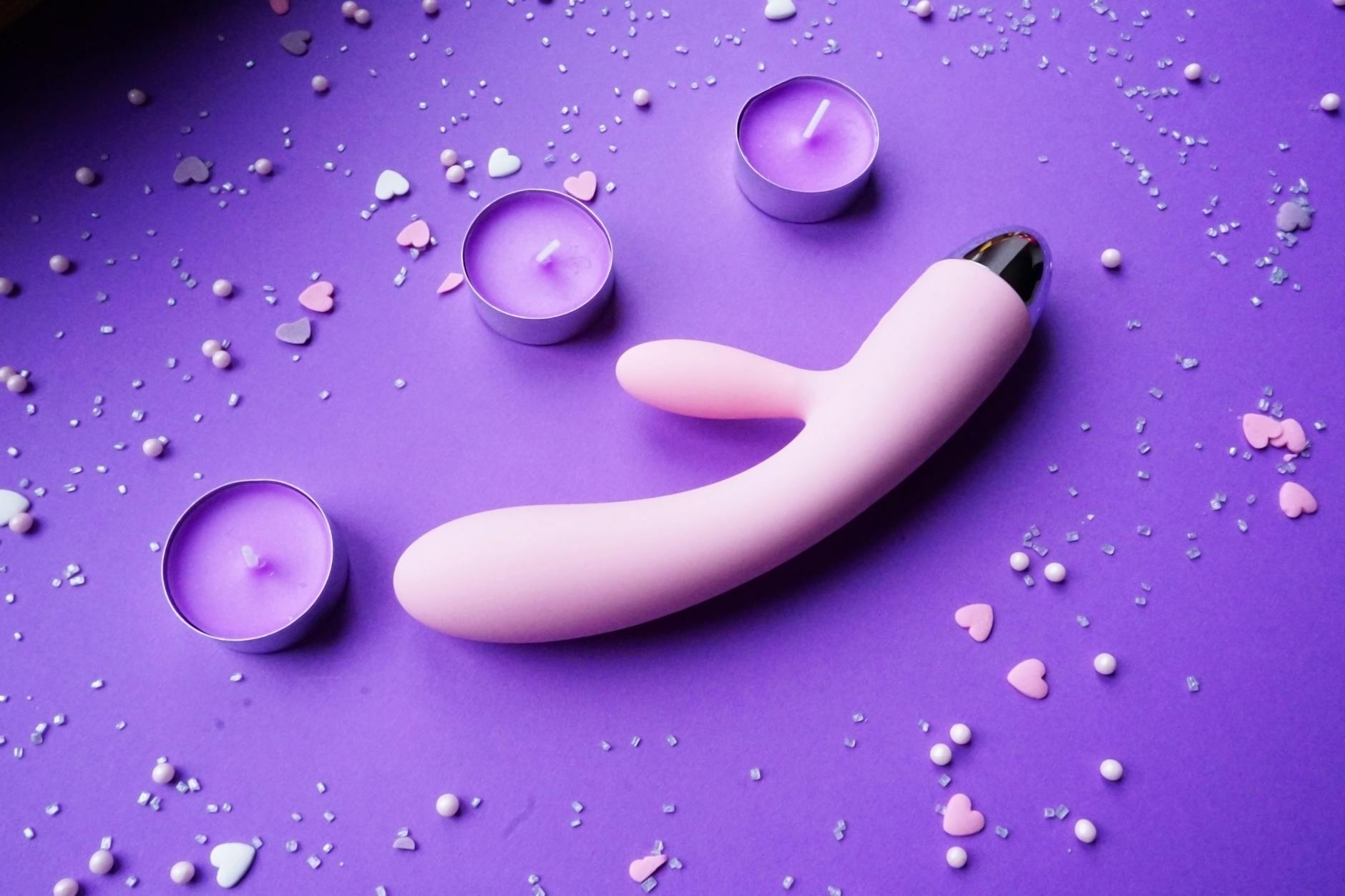
Here's the thing about intensity and pleasure
More vibration doesn't equal better orgasms. In fact, the opposite is often true. After years of working with couples navigating pleasure, I've learned that the people reporting the deepest, most consistent orgasms aren't using the highest settings. They're using smarter technique on tools specifically designed to deliver pleasure without percussion fatigue.
Lemon vibrators, especially suction-based lemon clitoral vibrators like the lemon sucker technology, work on a completely different principle than traditional vibrators. Understanding that difference changes everything about how you approach the toy.
Why lemon vibrators feel gentler but work harder
Most vibrators use rapid mechanical oscillation. They're essentially buzzing very fast in a fixed pattern. Your nerve endings adapt to that buzz quickly, especially if you've been using vibrators for a while. The result: you need higher intensity, longer sessions, or both to feel the same effect. Over time, this can lead to reduced sensitivity.
Lemon vibrators work via suction and pulsation. The lemon sucker technology creates a gentle seal around the sensitive tissue and releases that pressure rhythmically. It's not trying to vibrate harder. It's trying to create a cycle of pressure and release that mimics something closer to a partner's mouth.
The crucial difference: your nerve endings don't habituate to suction the same way they do to vibration. You can use a lemon clitoral vibrator for months and still feel the same sensitivity. You're not chasing higher settings because the sensation itself doesn't fade.
Photo by Madison Inouye on Pexels
The pressure principle: less is actually more
When I work with clients experimenting with lemon vibrators for the first time, the most common mistake is treating it like a traditional vibrator. They crank up the intensity, hold it in one spot for a long time, and wonder why they feel numb after five minutes.
With a lem vibrator, start at the lowest setting. Not because you need to ease in (though that's fine too). But because the lowest setting on a lemon sucker is often more effective than the highest setting on a conventional vibrator.
Here's what to do instead:
Position the toy so the opening sits fully over the clitoris, not pressed hard against it. The seal should feel snug but gentle. You want contact, not compression. This is the opposite instinct of using a vibrator, where you typically press down to feel more vibration.
Find the sweet spot for movement. With a lemon clitoral vibrator, light circular motions work better than holding still. Slow, small rotations let the suction pulses do the work. You're choreographing the sensation, not forcing it.
Stay in that lower intensity range for longer. Because your nerve endings aren't adapting, you don't need to escalate. In fact, escalation often breaks the rhythm that builds arousal. Three to four minutes at pattern 2 will typically produce more depth than ten minutes spent chasing higher settings.
Building longer, more complex pleasure
One of the most striking differences clients report with lemon vibrators is that orgasms feel fuller. Not necessarily more intense, but longer and with more texture to them. This happens because of how suction distributes pressure differently than vibration.
To amplify this effect, introduce variation before you reach climax. After two minutes at a low setting, shift the position slightly. Move from centered to slightly off to the side. Change the pattern once (not the intensity—the rhythm). Let your arousal build with these subtle shifts instead of staying locked in one configuration.
Many people with vulvas are used to the "find it and hold it" approach with vibrators. That works for fast climax, but it limits the range of sensations available. A lemon sucker invites you to experiment during the approach phase, which deepens the orgasm when it arrives.
If you have a partner, this is also where communication matters. Tell them you're working on something with this toy and you might take longer than usual. That's not a failure. That's you learning to listen to subtler pleasure signals.
Managing sensitivity and preventing numbness
If you've used traditional vibrators extensively, your tissue might be accustomed to heavier stimulation. Switching to a lemon clitoral vibrator can feel too gentle at first. Don't automatically turn it up. Instead, give your sensitivity time to recalibrate. Most people notice significant shifts after two to three weeks of consistent use with the lem vibrator.
If numbness is creeping in even with gentle pressure, take breaks. A three to five-minute rest between sessions helps reset nerve sensitivity. This is where the lemon vibrator shines: because the sensation is less fatiguing, you can actually stop and rest without losing the pleasure momentum. The arousal stays with you in a way it often doesn't after heavy vibration.
Also pay attention to lubrication. With less pressure comes a smaller margin for friction. Water-based lubricant isn't just nice to have. It's essential for a lemon sucker to work effectively. The glide is part of what makes the sensation feel full rather than singular.
The multiorgasmic potential
Here's something I see consistently with lemon vibrators: people report multiple orgasms more frequently than they do with other toys. This isn't accidental. It's because the sensation doesn't produce the same neural exhaustion as traditional vibration.
After one orgasm with a lemon clitoral vibrator, you can often continue at the same or lower intensity and reach another peak within 30 to 60 seconds. Try that with a buzzing vibrator and you'll typically feel oversensitive or numb.
To pursue this, here's the approach: allow the first orgasm to complete fully. Let yourself feel it all the way through without stopping. Then, instead of removing the toy, just pause the motion for ten seconds while keeping gentle contact. Start again at a lower setting than you were using before the first orgasm. The second peak comes faster and often feels different in character than the first. Some describe it as sharper. Others say it feels deeper.
This is also why many people alternate between internal sensation and the lemon sucker. If you're interested in exploring that, read more about how to use lemon vibrators during sex with or without a partner to understand the full range.
Addressing discomfort and adjusting on the fly
If something feels uncomfortable during use, the issue is usually one of three things: pressure, pattern, or placement.
Pressure too high. Lower the intensity. With a lemon vibrator, going down often feels better than powering through.
Pattern feels jarring. Some patterns have longer pauses between pulses, which can feel stuttering rather than building. Try a different pattern number. The rhythm, not the vigor, is what matters.
Placement slightly off. Move the toy a millimeter forward or back. With suction-based toys, small positioning shifts change the sensation dramatically.
If you experience persistent pain rather than discomfort, stop and consult resources on how to overcome vulvar pain during lemon vibrator use. Pain isn't part of this process.
Why this matters for long-term pleasure
The reason I'm emphasizing gentler technique with lemon vibrators is clinical, not philosophical. Over years of helping couples reconnect with pleasure, I've observed that people who rely on high-intensity stimulation often experience decreasing satisfaction over time. It's a sensitivity trap, not a pleasure trap.
Lemon clitoral vibrators interrupt that spiral. They let you experience depth and range without the adaptation cost. Your pleasure doesn't have to be a game of chasing higher numbers. It can be a conversation with your own body about what actually feels good.
Many people discover that once they shift to this approach, even quick sessions feel more satisfying. That's the compounding effect of not burning out your nerve endings. You're building sustainable pleasure.
FAQ: Common questions about lemon vibrators and reduced stimulation
How long does it take for my sensitivity to adjust when switching from a traditional vibrator to a lemon sucker?
Most people notice measurable shifts within two to three weeks of regular use. However, full adaptation can take six to eight weeks. Your nerve endings aren't just adjusting to less intensity—they're learning a different sensation pattern entirely. Be patient with the transition. The payoff is worth it.
Can I use a lemon vibrator at high intensity, or will it damage the toy?
You can, but you probably won't want to after trying the gentler approach. High settings on a lem vibrator often feel less pleasant than lower settings because they lose the precision of the suction rhythm. The toy won't break, but you'll likely find yourself turning it down as you get used to how it actually works.
Is it normal to feel like a lemon clitoral vibrator isn't working the first time I use it?
Very normal. Especially if you're used to traditional vibrators. A lemon sucker requires a different form of attention. You're not supposed to feel an aggressive buzz. You're supposed to feel a pulsing pressure. It takes a few sessions for your brain to recognize that as pleasure rather than "not enough." Give it three to four proper attempts before deciding it's not for you.
Can I combine a lemon vibrator with other stimulation, or should I use it solo?
Absolutely combine it. Many people find that using a lemon clitoral vibrator on one area while using fingers or another toy elsewhere creates an incredibly complex orgasm. The gentler nature of the lemon sucker actually makes it easier to layer sensations without everything feeling overwhelming. Start with one area if you're new to the toy, then experiment with addition.
Why do I feel more sensitive after using a lemon vibrator than after using my old vibrator?
Because you're not exhausting your nerve endings. Traditional vibrators create rapid adaptation—your nerves stop firing as intensely because they're bombarded. Suction-based stimulation doesn't trigger that defense mechanism the same way. You're left with heightened sensitivity rather than depleted sensitivity.
How do I know if I'm using the lemon vibrator correctly if it doesn't feel intense?
Correct use with a lem vibrator is invisible to outside observers and subtle to the person using it. You should feel a rhythmic pulsing sensation, not a vibration. The pleasure builds gradually rather than arriving as a shock. If you're getting nothing, check the seal (the toy might not be making proper contact) and confirm the battery is charged. If you're feeling something but it seems mild, you're probably doing it right. That mildness is the point. Give it time.
Moving forward with your pleasure
Lemon vibrators aren't a replacement for other tools. They're an expansion. Once you understand how to use them for gentler, deeper pleasure, you can decide whether they fit your routine and how often. Some people use a lemon sucker as their primary toy. Others rotate between types depending on mood and what they're exploring that day.
The core insight remains the same: better orgasms rarely come from more intensity. They come from listening to what actually feels good and adjusting your approach accordingly. A lemon clitoral vibrator is built for exactly that kind of attention. If you're curious about how your pleasure might deepen with this approach, it's worth exploring.
Have questions about your personal setup or comfort? Reach out to the team at Hello Nancy. We're here to help you find what works for your body.