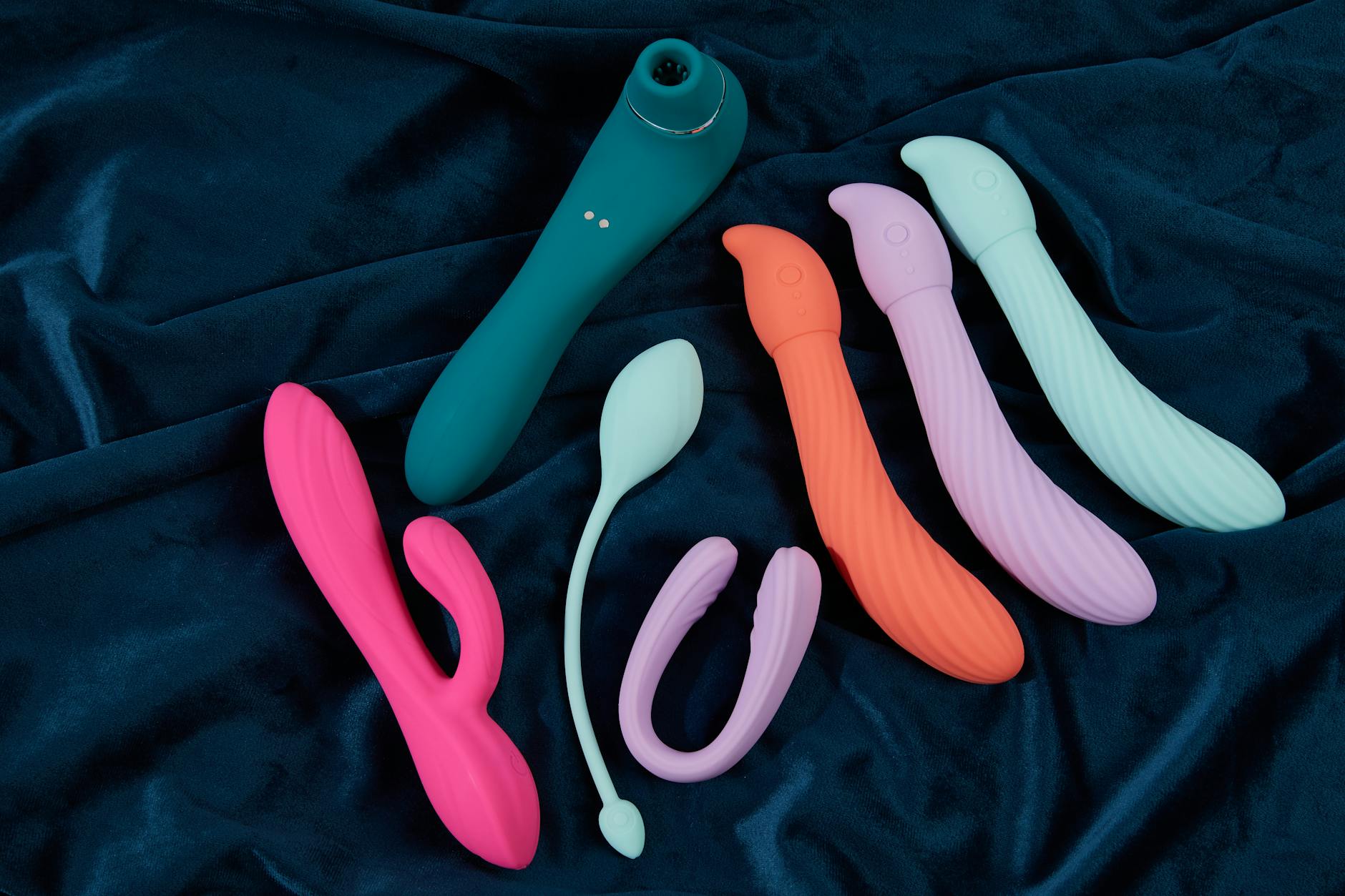
Multiple orgasms aren't a myth. They're a technique.
Let's be real: most of what you've heard about multiple orgasms either sounds impossible or sounds like it requires hours of dedication. The truth is somewhere in the middle. You can stack orgasms back-to-back or in waves throughout a session, and a lemon vibrator makes it a lot more accessible than you'd think. The suction mechanism is actually designed for this. I'll explain why, and then show you exactly how to do it.
Why lemon vibrators are better for multiples
A lemon clitoral vibrator uses air-suction stimulation instead of direct vibration. This matters for orgasm stacking because of how your body recovers between waves.
With a traditional vibrator, you hit maximum intensity, climax, then need a hard reset. The clit gets overstimulated. You either stop and wait five minutes, or you go numb. With suction-based stimulation like the Lem, the sensation feels gentler on the tissue itself, which means your nervous system stays engaged instead of shutting down.
That's the physiological piece. The practical piece is that you can modulate suction intensity without losing the pattern entirely. You ease back slightly, keep the suction going, and your body stays in the arousal circuit long enough to build toward a second peak.
The warm-up sets everything up
Multiple orgasms are not about jumping straight to intensity. They're about priming your body to stay responsive.
Start with at least 10 to 15 minutes of foreplay before you touch the lemon vibrator itself. This isn't extra fluff. During this time, your blood is pooling, your nervous system is shifting into the parasympathetic state, and your clit is engorging. If you skip this, trying to stack orgasms feels like starting a car with an empty gas tank.
When you introduce the vibrator, begin on the lowest setting (pattern 1 or 2 on most lemon adult toys). Let your body adjust to the sensation for a few minutes. The goal is arousal-building, not climax-chasing.
The pacing strategy that works
Once you're ready to chase your first orgasm, speed up gradually. Move through settings 2, 3, and 4 over five to eight minutes. This slow climb matters because it trains your nervous system to recognize and ride the wave instead of spiking and crashing.
When you feel the first orgasm approaching, stay at that intensity level. Don't keep cranking up. Your body knows where the edge is. The moment you climax, here's the key: reduce the suction intensity by 30 to 40 percent immediately. Move down to setting 3 if you were at 5. Don't stop. Keep going.
The pressure drops, but the sensation continues. Your clit stays stimulated without the overwhelming intensity that usually triggers the refractory period. For about 30 to 60 seconds, stay here. Your breathing will be ragged. You'll feel like you're in recovery. That's correct.
After that minute, very slowly increase intensity again. Not all the way back, just to setting 4. Your body will begin to build toward a second peak within two to four minutes. This second orgasm often feels different. Deeper, more sustained, sometimes less intense than the first. That's normal. Every one is its own shape.
Positioning and technique for back-to-back waves
How you angle the lemon vibrator matters more than most people realize. If you're using it solo, the sweet spot is usually direct contact with the clitoral glans, but angling slightly toward the body (not pointing straight down) gives you more control over pressure. You're not pinning yourself down. You're letting the suction cup do the work while you control the depth and angle with your hand.
If you're with a partner, they can manage the intensity while you focus on staying relaxed. Tension kills multiples. The moment you start white-knuckling or holding your breath, your pelvic floor tightens and the whole circuit closes. Breathe steadily. Relax your thighs. Let your partner know they should ease off if they sense you're tensing up.
For a third orgasm (if you're going for it), the positioning shifts slightly. Some people find that moving the vibrator around, rather than keeping it static, resets the stimulation and prevents numbness. A small circle or side-to-side motion, still with the suction active, can feel totally new to nerve endings that were just fired.
The recovery minutes between waves
Not every session needs to be multiple orgasms. Sometimes one massive climax is the goal. But if you're building toward stacking, the minutes between matter as much as the technique itself.
After your first orgasm, yes, drop the intensity. But also, drop the pressure mentally. Stop trying. The moment you flip into goal-oriented mode, you've lost the thread. Breathe, enjoy the afterglow, and notice when your body wants to climb again. It will. This isn't forcing. It's following.
Many people find that two orgasms in one session is the sweet spot. You're satisfied, your body feels amazing, and you haven't overworked your nervous system. Three or four is possible, but it requires more stamina and more relaxation, not more aggression.
When you're using it with a partner
If you're exploring multiples with someone, the dynamic changes. They're watching your body, reading your cues, and managing the toy. This can feel vulnerable, which is why communication before and during matters so much.
Tell your partner what to expect: "After the first orgasm, I want you to back off the intensity. Don't stop. Just ease it back." Show them which setting is which. If they can't see your clit clearly (common if you're lying down), guide their hand with yours until they know the spot.
When you climax, your body will probably jolt or clench. That's the signal to drop the intensity. Your partner doesn't need to be a mind reader. You can also use a simple signal: squeeze their free hand when you want them to ease back.
For more nuance on this, check out how we cover partnered play with lemon vibrators in our guide on using them together.
The refractory myth (and why it doesn't apply the same way)
You've probably heard that people with vulvas have no refractory period, meaning you can theoretically keep going forever. That's true in the sense that you don't have a physical wall like people with penises do. But you do have a neural fatigue wall. Your clit can get tired. Your nervous system can feel overwhelmed.
The difference with lemon vibrators is that the suction sensation is less fatiguing than direct vibration because it's working with your body's natural engorgement cycle, not against it. You're not rattling tissue. You're creating a gentle pressure and release pattern.
That said, listen to your body. If the third orgasm feels harder to chase than the second, that's your signal to stop. There's no prize for quantity. The goal is pleasure, and pleasure includes knowing when you're done.
Hydration and sensitivity matter
Multiple orgasms take energy. Drink water before and after. Your nervous system needs to be hydrated to function optimally, and dehydration damps arousal.
Also pay attention to your clitoral sensitivity afterward. If you've been going for 30 minutes and things feel raw or overstimulated, stop and rest. Use a cool compress if you need one. Your body needs recovery time, especially if this is new.
For people with extra sensitive clits, start with shorter sessions and fewer orgasms. Build your way up. You're not training for a marathon. You're learning to recognize your body's signals.
Troubleshooting the most common blocks
If you can't get to a second orgasm, here's what's usually happening: either the intensity drop was too aggressive (go smaller next time), or you tensed up during recovery. Tension is the assassin of multiples. You'll also sometimes hit a block where the second orgasm just feels mentally impossible. That's your brain, not your body. Expect it. Breathe. Sometimes it takes three sessions of trying before it clicks.
If the sensations feel numb by the third wave, you've done enough. Numbness means your nerve endings need a break.
When to bring in a partner's hands (or their pleasure)
Once you've figured out multiples solo, involving your partner's touch or even their pleasure can deepen the experience. Some people find that having a partner focus on them while they use the lemon vibrator creates a different kind of intensity. Others prefer solo sessions for multiples because there's less pressure and more control.
Both are right. Your pleasure, your rules.
The thing nobody tells you
Multiple orgasms aren't something you unlock once and then forget about. Your body changes. What worked last week might feel different this week depending on your cycle, stress, sleep, and what you've eaten. Stay curious instead of frustrated when the pattern shifts. Your body is talking. The lemon vibrator just gives you a really clear way to listen.
People also ask
Is it normal to feel sore after multiple orgasms?
Some tenderness is normal if you're new to this. Your clitoral tissue, pelvic floor, and surrounding nerves are getting a workout. If soreness is sharp or lasts more than a few hours, ease up next time. You might have been too aggressive with intensity or gone too long. If tenderness persists for days, see a gynecologist. Otherwise, a little sensitivity just means your body is adapting to new sensation.
How many orgasms in one session is "normal"?
There's no normal. Some people feel satisfied with one. Others regularly reach three or four. Anything from one to five is common. Beyond five, you're usually running into the physical limits of tissue sensitivity and nervous system fatigue. Quality over quantity. One truly amazing orgasm beats five mediocre ones.
Can I use lemon vibrators for multiples if I have trouble having orgasms at all?
Multiples are an advanced goal. If you're still working on reliable single orgasms, focus there first. Read our guide on why lemon vibrators work so well for sensitive clits, and practice finding what does and doesn't work for your body solo before layering in the complexity of stacking.
Do I need special lubrication for longer sessions with a clitoral vibrator?
You don't need anything on the clit itself, but if you're using the vibrator for an extended time, a bit of water-based lube around the external area can help reduce friction if things start to feel dry. Most lemon clitoral vibrators have a silicone cup, so avoid silicone-based lubes (they can degrade the material). Water-based is the way.
What if my partner can't keep up with the intensity changes?
Then manage it yourself. You can absolutely hold the vibrator while they touch you elsewhere. Or communicate that you'll tap their hand when you want the intensity to drop, and they just ease up instead of trying to read your body in real time. Partnered multiples work best when there's trust and the pressure is off perfection.
Is the recovery time between orgasms always the same?
No. Sometimes you need 30 seconds before you're ready to climb again. Sometimes it's two minutes. Your body will tell you. The sensation will start to rebuild when it's ready. Don't force a timeline. Trust the signals.