Pleasure is not the goal right now. Safety is.
Let's get this straight from the start: if you're healing from sexual trauma, your nervous system has learned that intimacy is dangerous. That's not a character flaw. That's a rational response to an irrational violation. So when people say "just relax" or "pleasure will help you heal," they're missing the actual work.
What actually helps is control. Agency. The knowledge that you can stop, pause, or slow down at any moment without negotiating or explaining. That's where lemon vibrators and other clitoral vibrators come in. Not as a quick fix. As a tool for rebuilding trust in your own body.
Why external vibration feels different after trauma
Sexual trauma often lives in the body as hypervigilance. Your nervous system is on high alert. Touch that feels intimate can trigger a freeze response. You might feel numb even when you want to feel something. You might feel everything all at once and have to dissociate to cope.
A lemon vibrator works differently than partnered touch because it removes the relational element temporarily. You are not reading someone else's intentions. You are not managing someone else's pleasure or pace. You are not navigating the complicated weight of "what this means."
The air-suction technology of a lemon clitoral vibrator also bypasses the kind of pressure that can feel invasive. It's stimulation without deep penetration, without friction against sensitive tissue, without the sensation of being pressed into. For many people recovering from trauma, this gentleness feels revolutionary.
Starting with the nervous system, not sensation
Here's what I tell clients: your first session isn't about orgasm. It's about noticing what safety feels like in your body.
Set a timer for 10 minutes. Find a space where you won't be interrupted. Phone on silent. Lock the door if you need to. The ritual of securing your environment is part of the healing. Your brain needs to register: I am in control of who enters this space.
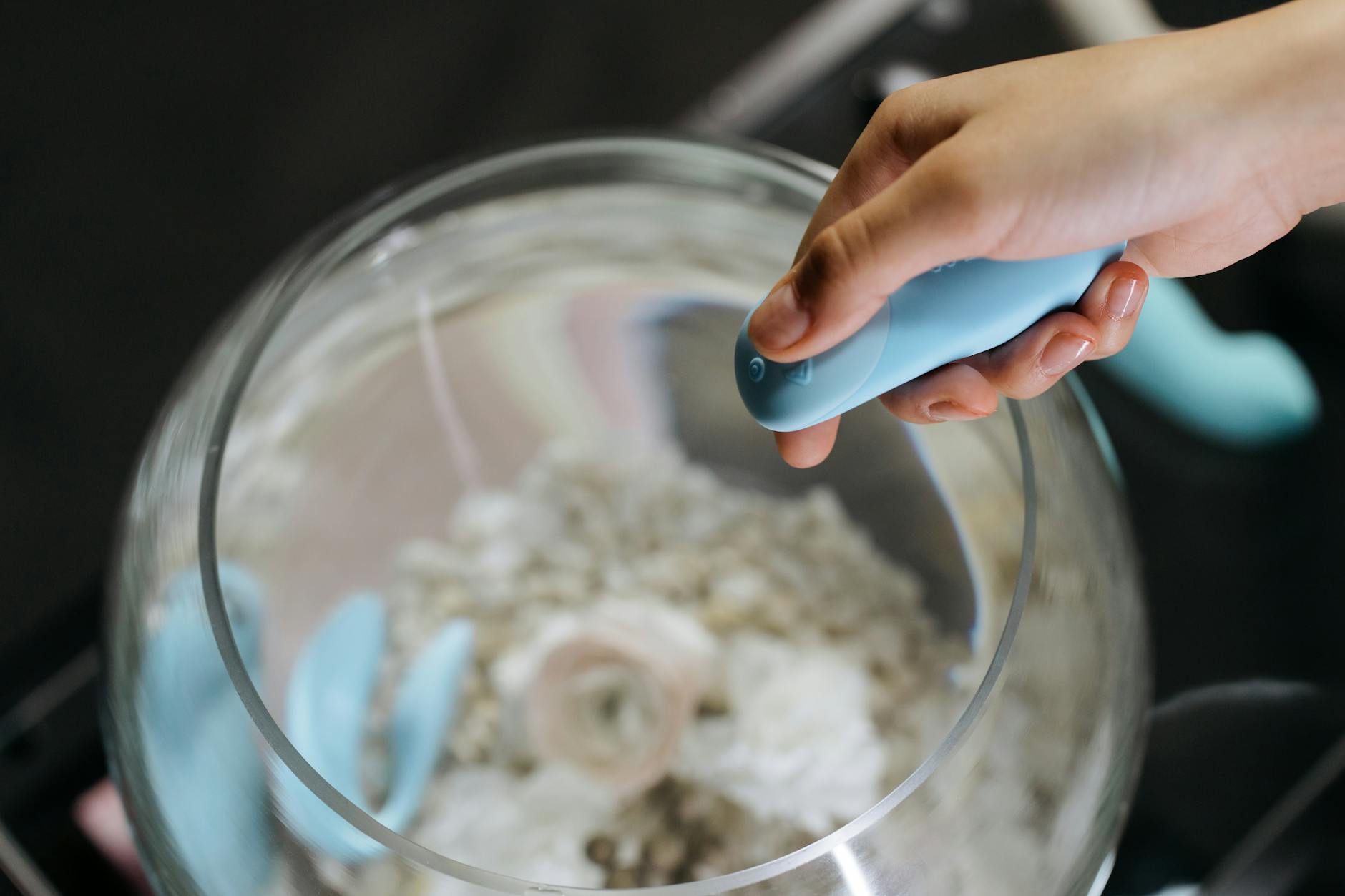
Start with the lemon vibrator on the lowest setting. You don't even need to apply it to your body yet. Hold it. Feel the vibration in your hand. Notice: does this feel scary? Neutral? Interesting? There is no correct answer. Your job is simply to notice what your nervous system is telling you.
Many trauma survivors report that this noticing phase takes several sessions before they're ready to apply the vibrator anywhere. That's not slow progress. That's the pace of actual healing.
Reclaiming sensation in stages
When you're ready to move forward, think in stages. Not steps toward orgasm, but stages of increasing internal safety.
Stage one: external areas only. Apply the lemon vibrator to your inner thigh, your lower belly, the outside of your pelvis. Anywhere that feels distant from the site of the original trauma. Some people benefit from keeping underwear or a thin barrier between their skin and the toy. That boundary is not a limitation. It's scaffolding.
Stage two: introducing proximity. When your nervous system has settled, you might move closer to the vulva without direct clitoral contact. The inner labia, the perineum, the area just above the clitoris. Again, the lemon's suction design is gentler here than vibration alone would be. It's pressure without friction.
Stage three: direct contact, your timeline. When and if you decide to apply the lemon vibrator directly to the clitoris, you're choosing. You are the author of that decision. And you can stop. Pause. Change settings. Switch to a different area. Change your mind completely and stop for the day. Every choice you make is information your nervous system is learning about safety.
The role of dissociation and staying present
Dissociation is a survival mechanism. Your brain learned to leave when your body wasn't safe. But it can become a habit, even when you're now in control.
If you notice yourself leaving your body during vibrator use, that's not failure. That's your nervous system doing what it was trained to do. The goal is gentle grounding, not force.
Try this: during a session with your lemon vibrator, place your other hand on your heart or your belly. Feel your breath. Name three things you see in the room. This isn't meditation. It's anchoring. You're teaching your nervous system that you can stay in your body because you are actually safe.
Some people find it helpful to use the vibrator while lying down. Others prefer sitting up, with their feet on the floor, grounded. Some need to be fully clothed except for the area they're exploring. Trauma recovery is wildly individual. There is no standard protocol.
When to bring a partner in, and how
If you have a partner, the question of whether to include them in pleasure exploration is separate from your solo healing work. These are not the same process.
Solo exploration with a lemon vibrator rebuilds your relationship with your own body. It's not for anyone else. It's for you to learn what your body can feel when there's no pressure, no expectation, no one watching.
When and if you decide to involve a partner, that's a different conversation. It starts with clear boundaries. "I'm exploring my body with a vibrator. If I invite you to be present, you will watch. You will not touch unless I ask. You will not make it about yourself." Partners who respect trauma recovery understand that this might take months. Or years. Or might never happen. And they're okay with that.
Some couples find that the partner holding space while the trauma survivor uses a lemon vibrator alone is a form of intimacy. Being witnessed without being touched. Being supported without being invaded. That's healing.
The physical comfort stuff that actually matters
A few practical things that make the difference:
Water-based lubricant is not optional. Your nervous system is already managing a lot. Friction just adds another thing to worry about. Lube removes that variable. Use plenty.
Warm up before you use the vibrator. A warm shower, a heating pad on your lower belly, a few minutes of gentle touch to your own skin. Your nervous system settles faster when your body is already warm and calm.
Battery life and privacy matter more than you think. A vibrator that dies mid-session can feel abandoning. A sudden interruption can feel like a violation. Get a lemon vibrator that charges via USB so you're never guessing about power. Lock the door. Tell your household you need 20 minutes alone.
Keep it clean. Wash with warm soapy water before and after. Trauma survivors often struggle with bodily autonomy. Knowing your vibrator is pristine is a way of reclaiming that control.
What happens when it gets hard
Some days you'll use your lemon vibrator and feel nothing. Some days you'll feel everything and have to stop. Some days you'll feel angry. That's not broken. That's healing.
If you find yourself consistently unable to progress, or if the experience triggers a flashback, this is the moment to pause the vibrator work and bring in a trauma-informed therapist. Your nervous system is telling you something important. Listen to it.
A good trauma therapist and your lemon vibrator are not in competition. They're in conversation. The therapist helps you understand why your nervous system is protecting you the way it is. The vibrator gives you a safe space to practice reclaiming sensation at your own pace.
Healing from sexual trauma is not linear. Some weeks you'll feel bold and ready to explore. Other weeks you'll need to go back to stage one, holding the vibrator in your hand, just noticing. Both are progress.
People also ask
Is it normal to feel nothing when using a lemon vibrator while recovering from trauma?
Completely normal. Numbness is a trauma response. Your nervous system might need weeks or months of safe experiences before sensation returns. Sensation isn't the goal. Safety is. Once your nervous system genuinely believes you're safe, feeling often follows naturally. If it doesn't, that's worth exploring with a trauma-informed therapist.
Can I use a lemon clitoral vibrator if penetration feels triggering?
Absolutely. Clitoral vibrators require no penetration at all. The lemon's suction design works entirely externally. For many trauma survivors, this is exactly why clitoral vibrators feel more accessible than other toys. You have complete control over proximity and intensity without anything internal ever happening.
How do I know if I'm ready to move to the next stage of using my vibrator?
You'll know because your nervous system will tell you. Look for signs that the current stage feels boring or easy, not scary. You can complete a full session without dissociating. You're curious about exploring further, not pushing yourself to. That curiosity is the signal. Forcing yourself before you feel ready will set your healing back.
Should I tell my partner I'm using a lemon vibrator for trauma recovery?
That's entirely your choice and depends on your relationship. Some people keep this private as a form of reclaiming their own body. Others find that transparency with a supportive partner deepens connection. There's no rule. What matters is that you're choosing, not hiding out of shame. If you need to hide it because you're afraid of your partner's reaction, that's important information about your relationship safety.
What if using a vibrator triggers a flashback?
Stop immediately. Put the vibrator down. Ground yourself using the five senses. Name five things you see, four things you can touch, three things you hear, two things you smell, one thing you taste. Call a trusted friend. Text your therapist. Flashbacks are your nervous system's alarm system. It's working correctly. You're safe now, but your body doesn't know that yet. That's what trauma therapy is for.
Is a lemon vibrator better than other vibrators for trauma recovery?
The suction design of a lemon vibrator makes it gentler and less invasive than some other designs, which many trauma survivors find helpful. But the best vibrator is the one that feels safe to you. Some people prefer wand vibrators. Others prefer smaller, more discreet options. Trust your gut. Your body knows what it needs.
Your pace is the right pace
Recovery from sexual trauma isn't measured in orgasms or how quickly you progress through stages. It's measured in moments where you notice your nervous system settling. Where you choose something instead of it being chosen for you. Where pleasure is possible without fear riding underneath it.
A lemon vibrator is a tool for that work. Not a magic fix, but a way to practice safety in your own body. To learn that sensation can feel good. That you get to decide. That your body can be yours again.
If you're struggling with trauma recovery, you deserve professional support. Reach out to a trauma-informed therapist or counselor, and if you want to explore this work with a tool that feels gentle and controllable, a lemon vibrator might be part of that healing.
Your recovery timeline is your own. Trust it.