Let's talk about what actually changed
You used to be able to have one orgasm, rest for two minutes, and go again. Now it takes fifteen. Or thirty. Or the next day entirely. This isn't a sign that something is wrong with you. This is biology doing what biology does as we age, change hormones, or carry stress in our bodies.
The refractory period, that stretch of time between one orgasm and the next, is not fixed. It expands and contracts based on age, hormonal fluctuations, medications, sleep debt, and overall nervous system load. For people in their twenties, refractory periods might clock in at seconds or minutes. By forty, fifty, and beyond, that window often stretches to hours or days.
Here's the part nobody explains clearly: this is not a loss. It's a recalibration. And once you stop fighting it, you can actually work with it in ways that feel much better.
Why the refractory period gets longer
After an orgasm, your body enters what's called the resolution phase. During this time, prolactin levels spike (that's the hormone that creates the post-sex satisfaction and fatigue). The clitoris becomes extremely sensitive, the pelvic floor muscles need recovery time, and your nervous system is essentially hitting the reset button. In younger bodies, this window closes quickly. In older bodies, or bodies under stress, it takes longer.
There are three big drivers:
Age and hormonal changes. Estrogen and testosterone both influence refractory periods. As these shift (whether through natural aging, hormonal birth control, or menopause), the timeline stretches. This is especially true if you're navigating any midlife hormonal transition.
Stress and nervous system load. When you're carrying chronic stress, your parasympathetic nervous system (the one that helps you relax and recover) is working overtime. Everything takes longer, including coming back to arousal. This is why sex during burnout feels flat.
Sleep and overall recovery. If you're running on five hours of sleep, your body's ability to cycle quickly through arousal phases tanks. This isn't preference. It's physiology.
The frustrating part: longer refractory periods often coincide with lower overall libido, which makes the whole experience feel harder. Your body wants to space things out, but your brain might be irritated by the spacing.
The lemon vibrator advantage here
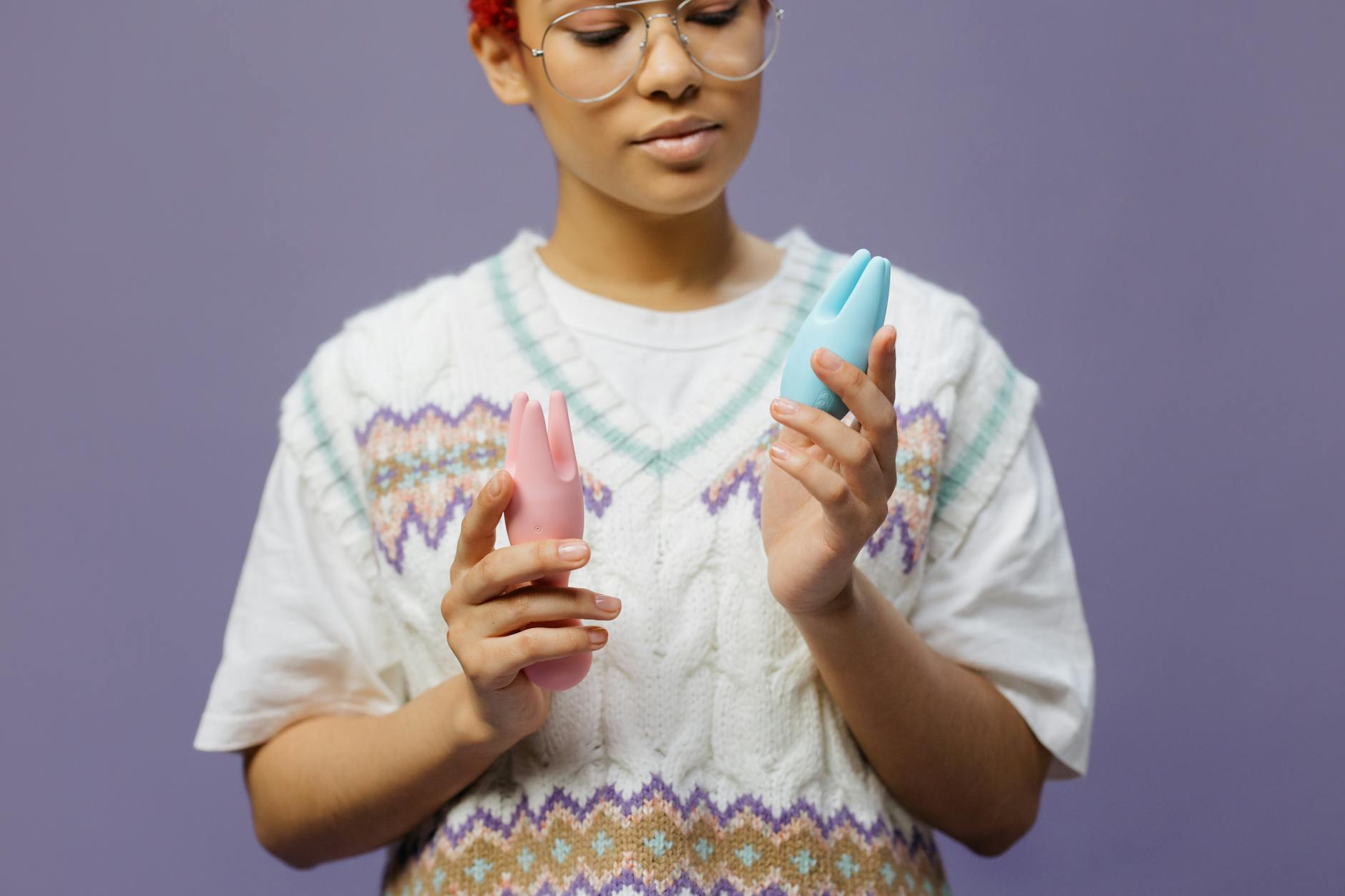
This is where clitoral vibrators like the Lemon Wand become genuinely strategic. Unlike penetrative sex, which can feel exhausting during a long refractory period, external clitoral stimulation from a high-quality suction device has a different energy signature entirely.
A lemon clitoral vibrator works by stimulating the entire clitoral complex through gentle suction and pulsation patterns, not friction. This means:
You can build arousal without intensity. The early stages of arousal after an orgasm feel hypersensitive and fragile. A vibrator lets you control exactly how much stimulation you're receiving, and you can start at incredibly low settings while you're still in that recovery window.
You're not dependent on a partner's energy or refractory period. If your partner needs an hour and you're ready in thirty minutes, you're not awkwardly waiting or pressuring them. You can tend to your own pleasure on your own timeline.
The suction pattern avoids overstimulation during vulnerability. Direct vibration on a freshly sensitized clitoris can feel painful or too intense. The pulsing suction pattern of a Lemon Wand is gentler and more distributed, which means you can explore arousal without shock to the system.
Building a new rhythm that actually works
Instead of chasing the fantasy of instant multiple orgasms, here's what I recommend to clients:
Honor the first orgasm fully. Don't jump immediately to the second. Let it land. Breathe. Let your body settle for at least five to ten minutes.
Use lower settings as you rebuild. If you're using a lemon sucker or similar device, start on pattern one or two. You're not trying to create another orgasm yet. You're building arousal very gently and checking in with what your body actually wants.
Expect a longer buildup. The second or third orgasm during a session will take longer. That's not a problem. Budget time for it. Thirty minutes instead of ten is not a failure. It's accurate.
Layer in other sensations. While you're working with the clitoral vibrator, add something else. Touch somewhere else on your body. A change in position. Mental focus shift. Your nervous system recovers faster when multiple things are happening because arousal pathways reactivate differently.
Know when to stop. Sometimes after the second orgasm, your body is genuinely done. That's not worth pushing through. Quality over quantity has never been more true.
The partner conversation
If you're with a partner, the refractory period shift often surfaces real tensions because it feels like a mismatch. One person recovers quickly, the other doesn't. Or both of you are experiencing slower refractory periods and sex now takes two hours instead of thirty minutes.
The most helpful frame: this is not about anyone being broken. It's about bodies being honest about what they need. When you can name that clearly, you get options. Maybe you use the Lemon Wand while your partner watches, or touches you elsewhere. Maybe you alternate who orgasms and who doesn't in each session. Maybe you have solo time between sessions.
The couples who navigate this best are the ones who stop treating the refractory period as an obstacle and start treating it as information. Information about timing, about what actually feels good, about whether you're both actually present or just going through motions.
The stress piece (because it matters)
Honestly though, if your refractory period suddenly stretched much longer than usual, stress is probably part of it. I've worked with many clients who had noticeably longer recovery times during high-stress periods, then bounced back once the load lifted.
You can't vibrate your way out of burnout. But you can use this time to rebuild a gentler relationship with your own pleasure. Instead of sex being another performance metric, it becomes something you do slowly and deliberately. That shift alone often takes some of the pressure off.
When to check in with a doctor
If your refractory period shifted very suddenly and dramatically, and nothing else in your life has changed, that's worth mentioning to a doctor. Changes in sexual response can signal hormonal shifts, medication side effects, or thyroid issues.
Most of the time though, longer refractory periods are just your body aging or responding to stress. Not pathological. Just real.
FAQ
Why do I feel guilty about needing longer between orgasms?
Because you were probably told that faster is better, that your twenties are the peak, that you should always want more. None of that is true. Slower recovery time is just a different rhythm. Once you stop measuring yourself against a fictional version of your younger self, you can actually enjoy what your body can do now.
Can birth control affect how quickly I recover?
Yes, absolutely. Hormonal birth control changes testosterone and estrogen levels, which directly impact refractory periods. If your recovery time shifted after you started a new contraceptive, bring it up with your prescriber. It might be worth trying a different formulation.
Is it normal for my refractory period to be hours long?
Completely normal, especially if you're over thirty-five, experiencing hormonal changes, or under chronic stress. Some people naturally have longer refractory periods and always have. Others develop them over time. Either way, this is a spectrum, not a failure.
Can I shorten my refractory period?
Sometimes, by addressing underlying stress or sleep debt. But trying to force your body to recover faster than it's capable of is exhausting and counterproductive. Better to work with your actual timeline.
Does the Lemon Wand help with longer refractory periods specifically?
Yes, because it lets you explore arousal gently without the intensity of penetration or direct vibration. The suction pattern and variable settings mean you're not fighting sensitivity. You're working with it. That makes the rebuild phase feel easier and less painful.
What if my partner and I have completely different refractory periods?
You stop trying to have synchronized orgasms and start having separate ones within the same encounter. One person goes first, the other uses that time for their own pleasure or to recover. Or you alternate who the focus is on. The fantasy of simultaneous everything is cute but often unrealistic, especially as bodies age or stress increases.
The refractory period is not your enemy. It's information. Once you know that, you can actually plan around it instead of fighting it. And that changes everything.