Let's be real about what surgery does
Pelvic surgery changes things. Whether it's a hysterectomy, fibroid removal, endometriosis excision, or any procedure that touches the pelvic area, your nervous system notices. Sensation shifts. Arousal timing changes. The architecture of pleasure reorganizes itself. And if nobody's told you that explicitly, I'm telling you now: this is normal, it's temporary in most cases, and it absolutely doesn't mean you're broken.
What does change is physical. What doesn't change is your capacity for pleasure or your right to explore it.
What happens to sensation after pelvic surgery
During surgery, tissue gets cut, repositioned, or removed. Even when everything heals perfectly, the nerves have been disrupted. Scar tissue forms. Inflammation takes time to resolve. Your body has been through a genuine trauma. Pleasure isn't the priority when you're healing.
Common shifts include numbness around the surgical site, increased sensitivity in nearby areas (sometimes too much), delayed arousal, difficulty with certain types of touch, or orgasms that feel different in intensity or location. Some people report orgasms feel shallower or more diffuse. Others say they feel more concentrated in one area.
This is not a permanent state. Most people find sensation normalizes somewhere between 6 weeks and 6 months post-surgery, though some deeper reorganization can continue for up to a year.
When you can start exploring pleasure again
Your surgeon or OB will clear you for sexual activity when internal healing is far enough along. Usually that's 4 to 6 weeks. But clearance to have sex and readiness to feel arousal aren't always the same thing.
Honestly? The first month or two after clearance, many people find that sensation still feels muted or weird. Your brain is still in healing mode. That's not a sign to push harder. It's a sign to go slower and use tools that work with your body's current state instead of against it.
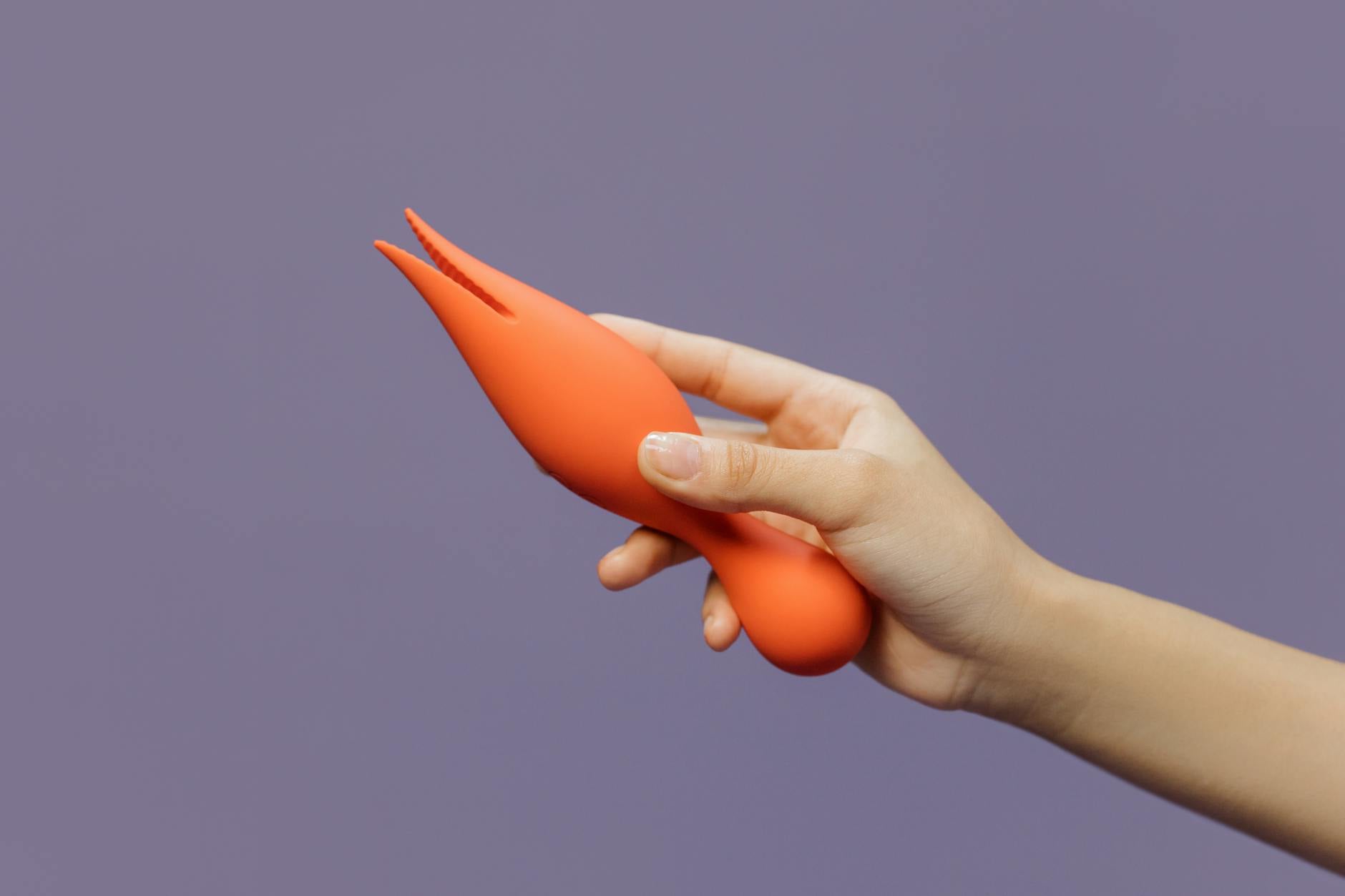
Clitoral vibrators, especially air-suction devices like Lemon Wand's clitoral vibrators, are genuinely useful here. They don't require direct friction on healing tissue. They work through suction and wave patterns that engage nerve clusters without the mechanical pressure of traditional vibrators. This matters when sensation is fragile.
How to restart sensation exploration safely
Three foundational rules.
Start outside the surgical area. If you had a hysterectomy or vaginal surgery, your clitoris wasn't cut. It's still there. It still works. But your nervous system is in protection mode, so give yourself permission to focus there first. A clitoral vibrator is perfect because it bypasses all the interior healing drama entirely.
Use external stimulation only. Penetration can wait. Even if you're cleared medically, if sensation feels numb or oversensitive internally, internal stimulation introduces variables you don't need right now. External touch is controllable. It's safe. It works.
Start at the lowest intensity. If you're using a device like the Lemon clitoral vibrator, begin on pattern 1 or 2. You'll be tempted to go up faster because numbness makes you want to feel something. Resist. Low intensity actually teaches your nerves to wake up. High intensity just overwhelms them.
Building arousal when sensation feels flat
Post-surgery numbness is partly physical and partly psychological. Your brain got the message that this area isn't safe. Rewiring that takes time and repetition.
Start with 15 to 20 minutes of low-stimulation touch. Use lube even if you're dry. Let your nervous system gradually remember that sensation can be pleasurable instead of painful or threatening. You're not trying to orgasm yet. You're trying to remember what sensation feels like.
After a few weeks of this foundational work, arousal usually starts returning. That's when you can increase intensity gradually. Move from pattern 1 to pattern 2. Spend time there. Then to pattern 3. You're not racing. You're teaching your body that pleasure is safe again.
Many people find that clitoral suction vibrators work better during this window than traditional vibrators. The sensation is different. It's less reliant on direct nerve stimulation and more about gentle repeated pulses. Some bodies respond to that better during recovery.
When to involve a partner in the process
If you're partnered, communication matters more after surgery than almost any other time. Here's why. Your partner might feel anxious about hurting you. You might feel self-conscious about the changes in your body or sensation. Those anxieties can tank arousal faster than any physical sensation change.
The conversation to have is explicit and separate from sex itself. Say something like, "My body is still healing. I'm going to explore pleasure on my own for a few weeks. That's not about you. It's about me rebuilding confidence in what feels good." That's it. That's the conversation.
Once you've rebuilt your own pleasure baseline solo, partnered exploration is easier because you know what works. You can show them. You can guide them. You're not both fumbling in the dark wondering what's safe.
When you do involve a partner, keep external touch simple at first. Manual stimulation, oral sex if that feels comfortable, maybe lemon vibrators used together on external areas. Penetration can come later when internal sensation feels normal again.
What to watch for during recovery
Some things warrant talking to your doctor. Pain during sexual touch is one. Surgical pain should be gone by 6 weeks. If you're still having sharp pain inside during touch or arousal, mention it. That's not normal and it needs assessment.
Persistent numbness beyond 3 to 4 months also deserves a check-in. Most sensation returns, but sometimes scar tissue needs attention from a pelvic floor physical therapist.
If arousal completely flatlines and doesn't return after a couple of months, that's worth discussing too. Sometimes surgery affects hormones or blood flow in ways that need medical support.
The good news. Most people reconnect fully with pleasure. The timeline varies. The path varies. But the capacity returns.
How lemon vibrators fit into recovery specifically
Clitoral vibrators work well post-surgery because they're external, controllable, and offer varied intensity patterns. You don't need to worry about internal healing. You can focus on sensation returning to areas that are already healed.
The suction patterns that lemon clitoral vibrators use are particularly helpful because they don't require traditional vibration. That matters when sensation is fragile. The gentle wave patterns let you build arousal at your own pace without overwhelming newly healing nerves.
Start solo. Use low intensity. Build the habit of pleasure over weeks, not days. Then, when you're ready, involve a partner if you have one. That's the path most people find works best.
Your body knows how to heal. Your nervous system knows how to feel pleasure again. You're not starting from zero. You're just rebuilding the bridge between sensation and safety.
Common questions about pleasure after pelvic surgery
Will my sensation fully return after pelvic surgery?
Most people regain full or near-full sensation within 3 to 6 months. Some notice ongoing subtle shifts up to a year out. That's normal nervous system reorganization. The capacity for pleasure returns. Sometimes the exact sensation feels slightly different, and that's okay too. Your body adapts and finds new ways to feel good.
Can I use a clitoral vibrator right after getting medical clearance for sex?
You can, but you don't have to rush. Clearance to have sex and readiness to feel pleasure aren't identical timelines. If sensation still feels numb or weird, give yourself another week or two. Then start with super low intensity. You're not going to miss out by being patient.
What if I'm too nervous to touch the area where I had surgery?
That's incredibly common and it makes sense. Your nervous system got the message that this area needed protection. Rebuilding comfort takes time. Start with touch completely away from the surgical site. Let arousal return externally first. Then, very gradually, expand the areas you explore. There's no rush. Your partner or a therapist can help if the anxiety feels big.
Should I use water-based or silicone lube after surgery?
Water-based is safest during healing. It's easier to clean, doesn't interact with healing tissue in unexpected ways, and if you're using silicone toys, water-based lube won't damage them. Silicone lubes are richer and feel better once you're fully healed, but stick with water-based for the first month or two post-surgery.
Is it normal that orgasms feel different after surgery?
Completely normal. Your pelvic floor has been through trauma. Scar tissue changes the architecture slightly. Hormones might shift depending on what was removed. Orgasms reorganize. Sometimes they feel shallower, sometimes more concentrated, sometimes delayed. This usually settles as you heal. If it bothers you after 6 months, pelvic floor physical therapy is genuinely helpful.
What if I'm still not interested in pleasure three months after surgery?
That's worth mentioning to your doctor or a therapist. Sometimes surgery affects hormones. Sometimes unprocessed anxiety about the procedure itself shows up as flatlined desire. Sometimes it's just that your nervous system needs more time. But persistent loss of interest that doesn't improve warrants support.
You're not starting over. You're rebuilding.
Your body heals. Your sensation returns. Your capacity for pleasure stays intact. What shifts is the timeline and the approach. Lemon vibrators, clitoral suction devices, patience, and external focus make the rebuild faster and less frightening. Your body's not broken. It's just in conversation mode with itself. And that conversation gets easier every week.
If you have specific questions about your recovery or feel stuck, we're here. Reach out anytime.