Here's what stress actually does to intimacy
It doesn't erase desire. It hides it under a blanket of exhaustion and worry. Couples often tell me they love each other, they're attracted to each other, but somewhere between the work deadline, the sick parent, the house repair, and the financial anxiety, sex became another thing on a list that never gets shorter. Not a priority. Not even on the radar.
The physical part follows. When your nervous system is stuck in sympathetic activation (fight or flight), your body can't access the parasympathetic state where arousal lives. It's not that you don't want your partner. It's that your body has moved into survival mode, and pleasure feels impossible.
Here's the thing though. Pleasure isn't the enemy of stress recovery. It's actually part of the solution.
Why pleasure matters more when stress is high
When you're under chronic stress, your nervous system needs to be reminded how to downshift. Pleasure is one of the most direct pathways to that state. Orgasm in particular triggers a cascade of neurochemicals that counteract cortisol. You get oxytocin, dopamine, endorphins. Your parasympathetic nervous system lights up. You remember what safety feels like.
Using lemon clitoral vibrators during stressful periods isn't about performance or pressure. It's about reminding your body that good sensations are still available to you. That you're still capable of pleasure. That your relationship includes this too.
For couples, the shift is even more significant. When stress has created distance, reconnecting through shared pleasure is often gentler and faster than talking about the distance itself. It bypasses the defensiveness. It starts rebuilding trust in the body first, and the conversation follows.
The difference between solo exploration and partnered use
If you've been using clitoral vibrators alone while stress has been high, reintroducing your partner into that space is a deliberate choice. It requires naming what's happening. "I want us to use this together" is different from "I want you to use this on me," and both are different from "I've been using this alone and I want to show you what I like."
The middle option works best when stress has been high. Using a lemon vibrator together, starting with you in control of the pressure and speed, lets you dictate the pace. It's not performance. It's guidance. You're teaching your partner what your body needs right now, and they're learning to read your signals in real time.

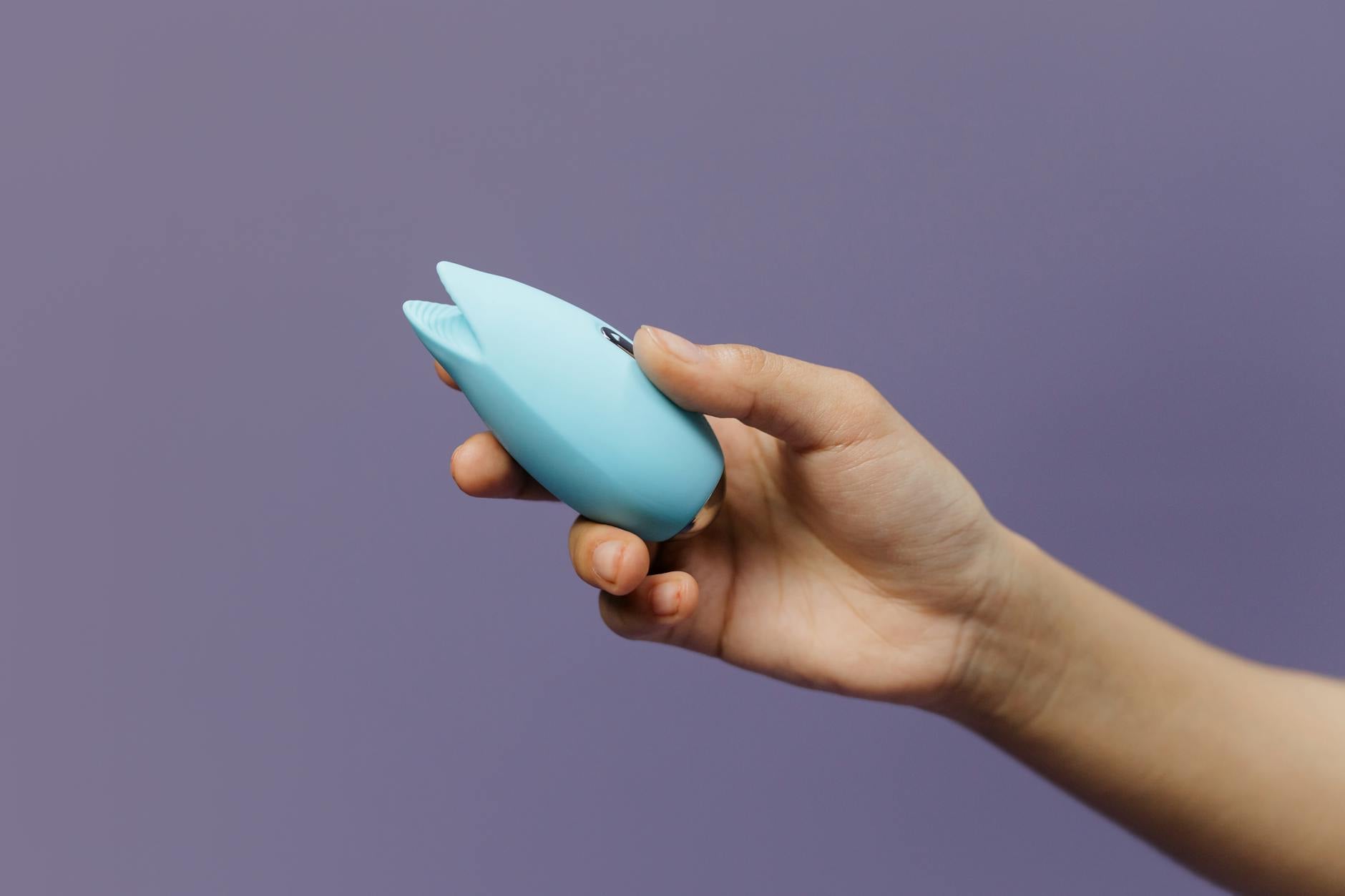
Photo by cottonbro studio on Pexels
How to start when you've been disconnected
Four practical steps to rebuild intimacy when life stress has put sex on pause.
Step One: Plan it. Not romantic. Actually plan it. When you're stressed, spontaneity feels like pressure. Schedule 45 minutes. Not because scheduled sex sounds exciting, but because it removes the unpredictability. Your nervous system can prepare. You can mentally transition from work mode to presence mode.
Step Two: Set the room. Dimmed light, phone away, no background news or work email visible. You're signaling safety and prioritization to your nervous system. This matters more than candles or music.
Step Three: Use lemon vibrators to start the conversation. Begin with yourself. Let your partner watch as you use a clitoral vibrator for a few minutes at a low intensity. This accomplishes three things. First, it reminds your body what sensation feels like. Second, it shows your partner where you like stimulation. Third, it removes performance pressure. You're not trying to come fast. You're just reestablishing the pathway.
Step Four: Invite participation. Hand over the vibrator or ask your partner to apply it for you. Stay in control of the speed and pressure at first. Tell them what feels good. Make corrections. This is information transfer, not performance.
The intensity question when reconnecting
When stress has been high, your nervous system is often hypersensitive or paradoxically numb. Lemon clitoral vibrators come in a range of intensities, which helps. Start low. The goal isn't orgasm. The goal is sensation and safety.
Many people rediscover pleasure at lower intensities after periods of stress because they've had to slow down. There's no rush. You're not trying to squeeze in sex between tasks. You're actually present. Lower intensity means you can sustain sensation longer, which means your partner has more time to notice what brings you pleasure, and you have more time to remember what your body likes.
If arousal comes easily, great. If not, keep going anyway. Sometimes the body needs five or ten minutes of consistent, low-pressure stimulation before pleasure registers. That's normal after stress. Your nervous system is still learning that it's safe to relax.
What to do if nothing happens
This is the part couples often skip over. If you plan an intimate session and pleasure doesn't arrive, the narrative shouldn't be "we failed." The narrative should be "we showed up." That's the win when stress has been high.
Keep the vibrator in use anyway. Stay close. Let your nervous system practice being in contact with your partner while also experiencing pleasant sensation. Orgasm is not the metric. Presence is.
If this becomes a pattern over several sessions, the next step is usually to take the pressure off entirely. Have non-sexual touch time. Use the vibrator alone first, then tell your partner what happened. Invite them to be present but not involved. Let your body practice reconnecting with pleasure before you add another person's expectations into the mix.
Rebuilding trust in your own body
Here's what doesn't get said enough. After stress or disconnection, many people lose trust that their own body will cooperate. Using lemon vibrators or any clitoral vibrator solo, regularly, is partly about rebuilding that trust. It says to your nervous system: we can still do this. We can still feel good. This is available to us.
Once that trust is back, partnered intimacy becomes less fraught. You know what your body is capable of. You're not surprised or disappointed when sensation takes time to build. You already know the pathway.
When to bring in other elements
If weeks of consistent, low-pressure use haven't opened the door back to pleasure, consider what else might be blocking the path. Are you still in the thick of stress, or has it eased? Are there relationship issues beyond stress that need addressing? Is anxiety about "getting it right" overshadowing the experience?
A relationship-focused therapist or sex therapist can help diagnose what's happening. Sometimes it's as simple as finding the right vibrator. Sometimes it's deeper work around resentment or autonomy. Use lemon clitoral vibrators as the opening, not the solution.
People Also Ask
How long does it take to rebuild intimacy after stress affects your sex life?
Every couple moves at their own pace, but most couples I work with see a shift within two to four weeks of consistent, pressure-free intimate time. That doesn't mean everything returns to baseline. It means the nervous system stops resisting pleasure, and connection becomes possible again. Some couples take longer. Some redirect faster. The timeline is less important than consistency and absence of performance pressure.
Can lemon vibrators actually help with relationship stress?
Not directly. Vibrators don't solve relationship problems. But they can create a pathway back to physical intimacy when stress has blocked it. They offer a way to rebuild embodied connection without the conversation about "why we stopped having sex." That conversation matters too, but it's different. Vibrators are about sensation. Conversation is about meaning. You likely need both.
What if my partner is also stressed and has no interest in intimacy?
Then lemon vibrators aren't the answer yet. When both partners are in survival mode, reintroducing sex can feel like one more obligation. Start with non-sexual touch and presence. A warm bath together, a 15-minute walk, sitting in silence side by side. Your nervous systems need to know safety is available before pleasure becomes possible. Once that foundation rebuilds, then vibrators become helpful tools for moving from safe to pleasurable.
Should I keep using vibrators solo while rebuilding intimacy with my partner?
Yes. Solo practice teaches your body what you like and keeps pleasure available to you. It also reduces the pressure on partnered sex to be "enough." You already know your body can feel good, so when you're together, you're not desperate or uncertain. You're confident. That confidence changes the whole energy of the interaction.
Is it normal for sensation to feel different after stress has subsided?
Completely. When you've been in high alert, your nervous system has learned to ignore subtle sensations. Coming back from that, you might need higher intensity initially, or lower intensity to avoid overstimulation. Your body is recalibrating. Give it grace. If you've been using lemon vibrators consistently, you'll naturally find the intensity that works as your nervous system settles.
What role should conversation play alongside using vibrators?
Conversation should follow pleasure, not lead it. Let your body remember what good feels like first. Then, when you're calm and connected, talk about what happened. What felt surprising. What you want more of. What scared you. That order matters. The body often knows before the mind can articulate why.
The long view
When stress has created distance between you and your partner, reconnecting through pleasure is often the fastest route back. Lemon vibrators and other clitoral vibrators offer a concrete, manageable way to restart that conversation with your body and your partner simultaneously. You're not trying to solve your stress or your relationship conflict through sex. You're just creating a small, reliable pocket of safety and connection in the middle of everything else. From there, the rest rebuilds naturally. If things don't shift after several consistent attempts, reaching out to a relationship therapist or sex-positive counselor can help you understand what's blocking the path. You deserve intimacy that feels effortless again. Sometimes you just need permission, time, and the right tools to get there.