Let's start with the thing nobody says out loud
Emotional disconnect kills sexual desire before anything else does. You can stop having sex and still feel connected. But when the connection frays—when you're living parallel lives, when conversations have become logistics, when touch feels obligatory—desire doesn't just fade. It vanishes. And then when you try to get it back, the pressure makes it worse.
Here's what I see in my practice: couples who've drifted apart often think the solution is to schedule sex or try a new position. Neither works. What works is rebuilding sensation in a way that removes the performance pressure entirely.
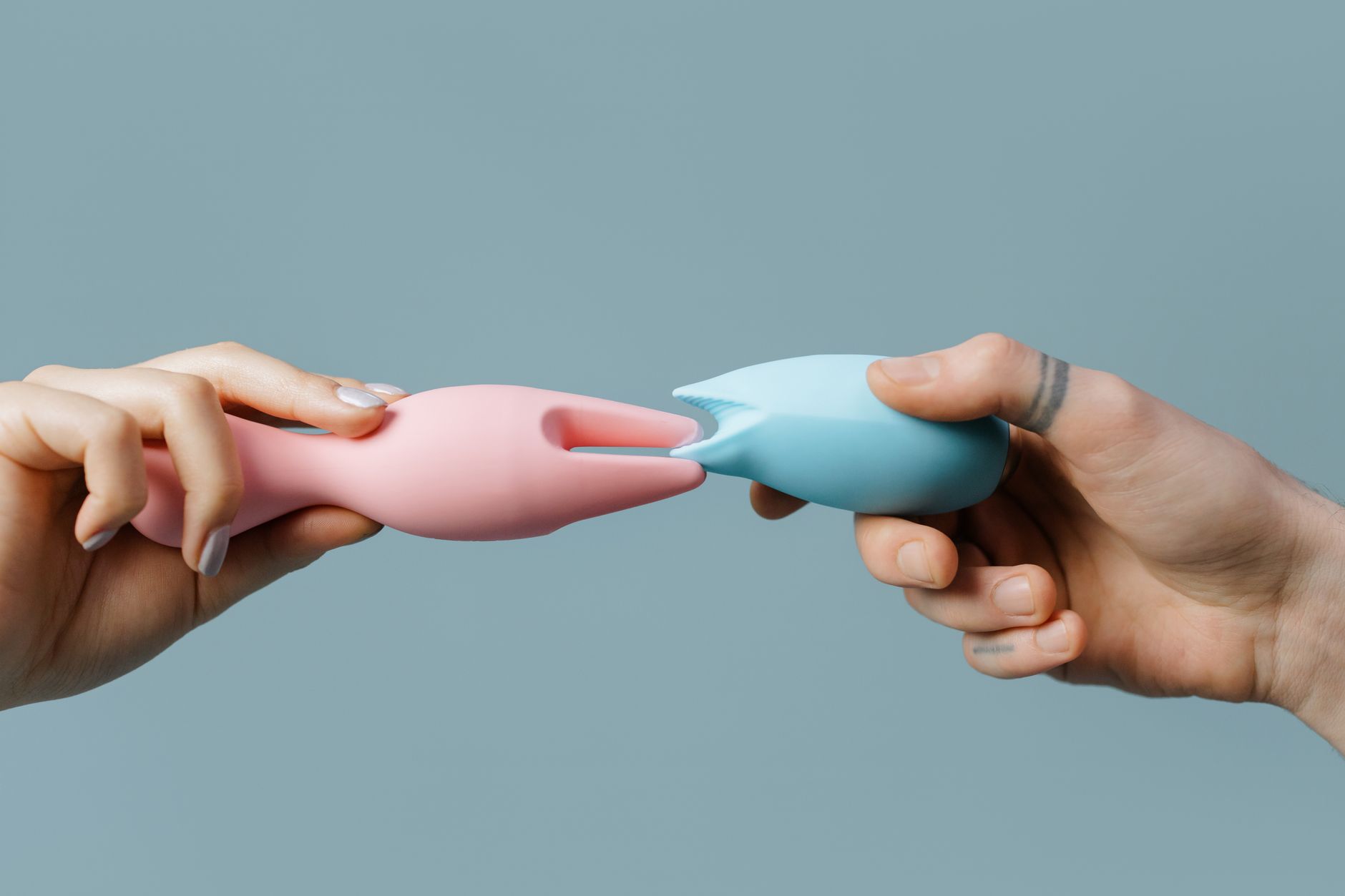
Lemon vibrators—specifically clitoral vibrators designed around air-suction or pulsing patterns—offer something crucial here. They make pleasure possible again when emotional distance has made it feel distant or inaccessible.
Why reconnection starts with your own body, not with your partner
This is the part that feels counterintuitive but changes everything.
When you've been disconnected from a partner, your body often mirrors that emotional distance. You stop noticing sensation. You tune out. Your nervous system learns to anticipate rejection or disappointment, so it stops sending pleasure signals. This isn't conscious. It's self-protection.
Rebuilding pleasure with a partner means first rebuilding your relationship with your own pleasure. Alone.
Using a lemon clitoral vibrator on your own—even for 10 minutes a week—resets that sensory baseline. It reminds your body that pleasure is available. It's not about performing for anyone else. It's about you remembering what arousal actually feels like when there's no audience and no expectations.
That matters because once you've reconnected with your own sensation, you bring that back to your partner. Your body knows what good feels like again. And that knowledge is contagious.
The three phases of rebuilding sensation together
Phase one: side-by-side exploration (weeks one to three).
Start with the vibrator present but not intrusive. You're both in the room. You're touching each other. The lemon vibrator is there as an option, not an obligation. One partner might use it while the other touches them. Or you take turns. The key is removing any sense of "this means something is wrong" or "we're fixing a problem."
Use patterns one and two on the lemon clitoral vibrator—lower intensity, longer warm-up. You're not chasing an orgasm. You're reintroducing the sensation of being touched and paying attention at the same time.
Phase two: integrated sensation (weeks three to six).
Now the vibrator becomes part of mutual touch rather than separate from it. One partner uses it while the other provides manual stimulation elsewhere. You're building a rhythm together. This is where couples often rediscover why they liked touching each other in the first place—not because it's supposed to lead somewhere, but because paying attention feels good.
One small but critical thing: communicate about intensity in real-time. "Lower" doesn't sting. "That's perfect" works. "A bit slower" is neutral. Language that doesn't carry emotional weight makes pleasure feel safe again.
Phase three: pleasure-led intimacy (six weeks onward).
At this point, the vibrator stops being a tool and becomes part of your natural range of touch. You use it when it serves what you're building together, not because you feel obligated to. Some people find that reconnection brings back traditional penetrative sex. Others don't—and that's completely fine.
What matters is that sensation has returned. And with it, usually, emotional reconnection follows naturally.
What actually changes neurologically when you rebuild together
I'm not being poetic here. This is measurable.
When you experience pleasure with a partner while also feeling safe and seen, your brain associates that person with both intimacy and safety. Over time, your nervous system stops treating them like a potential source of hurt. That's when desire can actually rebuild.
Lemon vibrators help this because they're not emotionally loaded. Nobody invented the lemon clitoral vibrator to "fix" anything. It's just a tool that makes sensation possible. That neutrality—that lack of "this means we're in trouble"—actually allows the deeper work of reconnection to happen.
Your partner's touch becomes exciting again because you're both actively paying attention. The vibrator removes the pressure for someone to "do it right." Instead, both of you become explorers rather than performers.
The conversation that has to happen first
Before you introduce a vibrator, have the actual conversation.
Not about the vibrator itself. About the disconnect. "We've felt distant, and I miss you. I miss us. I'd like to rebuild this together. No pressure, no performance. Just us reconnecting."
If your partner is defensive or dismissive of that conversation, the vibrator won't help. Pleasure requires emotional safety first. If that safety doesn't exist, everything else fails.
But if both of you actually want to rebuild, that honest conversation changes everything. It reframes what you're about to do—not as a solution to a failing sex life, but as a commitment to reconnecting at all.
Then introduce the tool. "I found something that might help us get back to feeling good together. No expectations. Just want to try."
The logistics that actually matter
Three things will kill this faster than anything else.
Timing pressure. Don't introduce this when one of you has 15 minutes before work. Give yourself space. An hour. Maybe more. Reconnection is slow.
Privacy anxiety. You need to know you won't be interrupted. Kids asleep, door locked, phones away. Not because anything is scandalous. Because attention is the whole point.
Hygiene concerns. Clean the vibrator before and after. Use water-based lubricant if needed. Keep a small towel nearby. Logistics handled well feels like care. That matters.
Beyond those three things, let go of perfectionism. Your first attempt together might feel awkward. That's okay. Awkwardness is just information that you haven't done this in a while.
What to do when old patterns try to come back
This is the part that surprises people.
As you rebuild pleasure together, old relationship patterns will attempt to reassert themselves. One partner might fall back into performing. The other might get in their head about being watched. Someone might make a joke when vulnerability feels too real. That's normal.
When it happens, pause. "I'm getting in my head. Can we just breathe for a second?" That's it. You don't need a long discussion. Just acknowledge that patterns exist and give yourself permission to try again.
Over time, those moments become fewer. Your nervous system learns that you're both actually trying. And it relaxes.
A note on mismatched desire
Sometimes one partner wants to reconnect and the other is still hurt or withdrawn. That's not something a vibrator fixes. That requires real relationship work—probably with a couples therapist who understands both emotional intimacy and sexuality.
A clitoral vibrator can support reconnection that's already emotionally mutual. But if the emotional foundation isn't there, nothing physical will create it.
Why this actually works
Lemon vibrators help rebuild pleasure after disconnect because they remove the performance element. You're not trying to be sexy. You're not worried about "doing it right." You're just present together, exploring sensation, and rebuilding the simple fact of enjoying each other.
That's all reconnection really is. Small moments of genuine attention, repeated over time, until your nervous system trusts again that pleasure is available—and safe.
The vibrator is just the tool. The real work is showing up and paying attention. But that tool makes showing up easier.
People also ask
Can using a lemon clitoral vibrator together rebuild a sexless marriage?
A vibrator is a support tool, not a therapist. If a marriage has been sexless for years, the reasons are usually emotional or relational—resentment, unmet needs, exhaustion, or disconnection. A vibrator can help rebuild sensation once both partners want to reconnect. But if both partners aren't genuinely interested in rebuilding, nothing external will create that desire. Couples counseling often needs to come first.
What's the best lemon vibrator for couples who are rebuilding intimacy?
Look for something with variable intensity patterns and a design that works well for both solo and partnered use. The lower vibration patterns are typically better for reconnection because they encourage longer, slower exploration rather than rushing toward an endpoint. Intensity can always increase later once you're both more comfortable.
How long does it typically take to rebuild sexual connection after partner disconnect?
It varies widely, but most couples who actively commit to rebuilding see meaningful shifts in 4-8 weeks. That means regular—even if brief—moments of reconnection, honest communication about what you're both feeling, and patience with awkwardness. Some couples need longer. Some shorter. The timeline matters less than the consistency.
Is it okay if one partner enjoys the vibrator and the other doesn't?
Completely okay. Pleasure is individual. You might find that one person gravitates toward using it and the other prefers different kinds of touch. That's not failure. It's information about what works for each of you. The point of reconnection is exploring together, not forcing everyone to enjoy the same thing.
How do I bring up using a vibrator with a partner who thinks that means something is wrong?
Frame it as exploration, not problem-solving. "I miss us. I'd like to rebuild what we have. There's something I'd like to try together. No pressure if it's not your thing." If they're resistant, don't push. Sometimes partners need time to come around. But if they're consistently dismissive of your desire to reconnect, that's worth examining in counseling.
What if we're still angry at each other when we try to rebuild?
Go slower. Anger is valid. Trying to rebuild pleasure while resentment is still high usually backfires. You might need to address some of the hurt first—either between yourselves or with a therapist. Once there's at least a willingness to reconnect emotionally, physical reconnection becomes possible. Rushing past anger doesn't work.
Rebuilding pleasure after partner disconnect isn't about having better sex. It's about remembering that you actually like each other. The rest follows naturally from there.