Let's name what's actually happening
You're not broken. Your relationship isn't failing. But somewhere between mortgage payments and exhaustion and the everyday friction of living with another person, sex stopped being a thing you do together. It became a thing you avoid. And now asking for it feels impossible, not because you don't want it, but because the distance has a weight.
Here's what I see most often in my practice: couples drift not because desire is gone, but because the pathway to desire got blocked. Resentment, fatigue, miscommunication, unmet needs—they all pile up in that space where sex used to happen. And the longer you avoid it, the more awkward it becomes to start again.
The good news is that bringing lemon vibrators into partnered play is one of the fastest ways to break that freeze. Not because a vibrator will fix the underlying issues. But because it gives you permission to restart the conversation about pleasure in a way that doesn't require you to pretend everything's fine first.
Why vibrators work better than "we need to talk about sex"
There's a reason couples often find it easier to introduce a lemon clitoral vibrator than to have a vulnerability conversation. A vibrator is external. It doesn't require you to make eye contact while confessing that you've been faking it or that you're angry or that you miss them. It gives you something to do with your hands and attention besides look at each other's unresolved feelings.
Using a lemon sexual toy together also flips the dynamic. Instead of one person pursuing and one person defending, you're both collaborating toward the same goal—her pleasure. That's not nothing. That's a complete rewrite of the script that's been running.
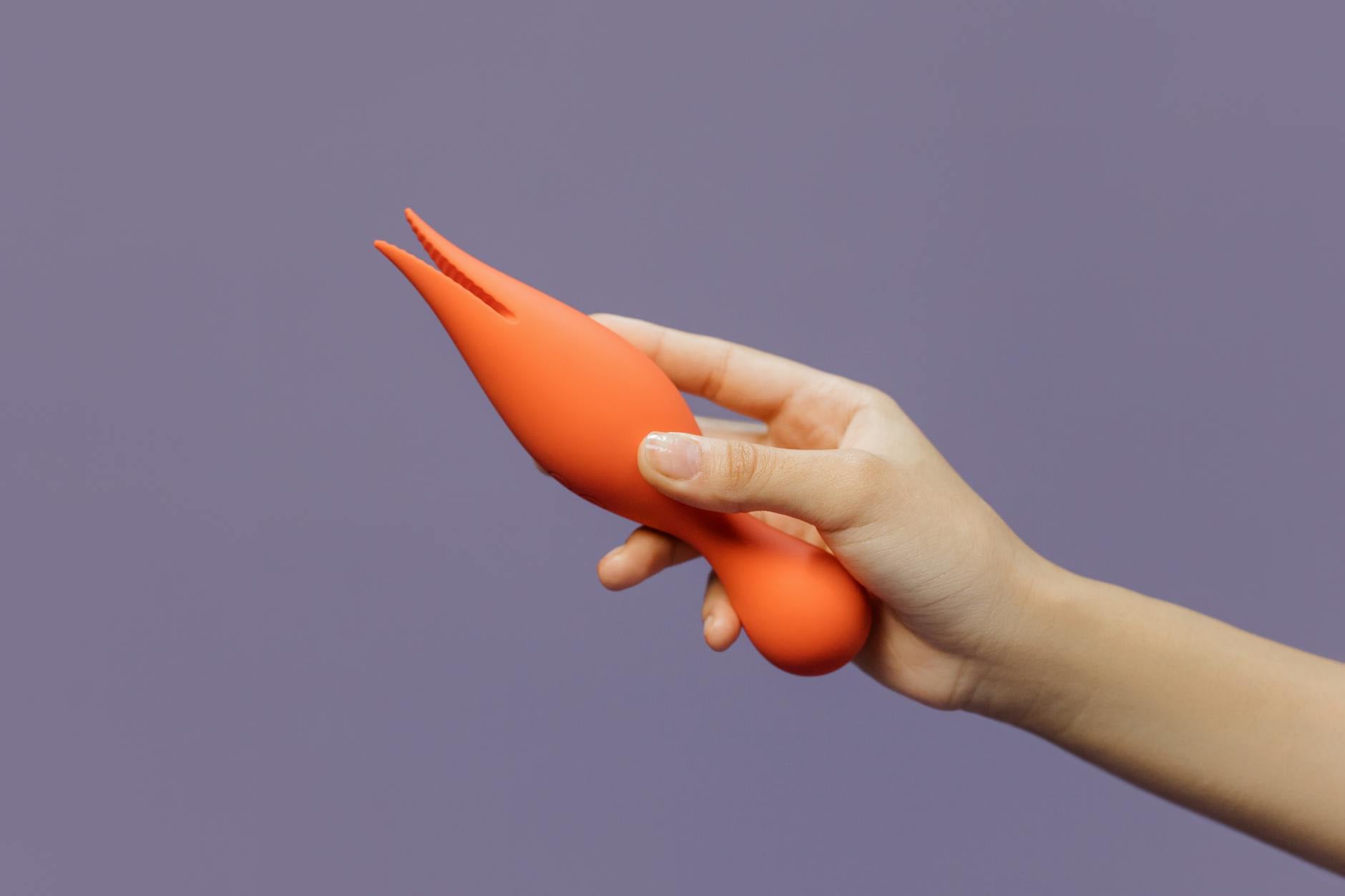
When you introduce a clitoral sucker like the Lem, the stimulation is also different enough from what you've been doing that it can feel new, even in a relationship that's been going for years. Novelty activates the brain's reward pathways. It makes sex feel less like obligation and more like something worth showing up for.
The conversation before the vibrator
Don't just whip it out. That's a mistake I see couples make, and it usually backfires because one partner feels ambushed, unsexy, or like they've been replaced.
Instead, try this. Pick a time when you're not in bed, not touching, not stressed. Maybe over coffee. Maybe on a walk. Say something like: "I miss us. I've been thinking about how we could reconnect, and I had an idea. I'm not saying this is a fix-all, but I wondered if you'd be open to trying something together." Then tell them what you're thinking. Be specific.
If they're hesitant, listen to that. Don't persuade or minimize. Sometimes the hesitation is about the vibrator. Sometimes it's about deeper stuff—shame, control, past experiences. Those matter and need their own conversation.
If they're curious, that's your green light. Now the practical part happens.
How to actually use lemon vibrators together when you haven't in a while
Start slow. I mean slower than you think. Set aside time when you're not exhausted and when there's no performance pressure. This is not a quickie. This is a forty-five-minute commitment to being present with each other.
Begin with touch. No vibrator yet. You touching them, them touching you, no goal except to remember that you like being near each other. This is the warm-up that most couples skip, and it's why sex after a long break feels clumsy. Your nervous system needs time to shift from "running the household" to "open to pleasure."
After ten or fifteen minutes, introduce the lemon clitoral vibrator. If you're using something like the Lem, start on the lowest setting. The partner without the vulva can hold it, which maintains the collaboration. They're not watching from the side. They're participating.
The person receiving pleasure gets to guide intensity and pattern. "A little lower," "try that pattern," "stay there for a second." This builds communication about what feels good, which is conversation you probably haven't had in a while, if ever.
The pattern that actually rebuilds intimacy
Do this twice a week if you can. Two to four weeks of consistent, low-pressure partnered pleasure is enough for most couples to reset the baseline. You're not trying to fix everything at once. You're building a new habit.
Each time, the goal is pleasure and presence, not orgasm. This matters. If you make it about her orgasm, you've just recreated performance anxiety in a different form. Instead, the goal is: "I want to feel connected to my partner. I want to know their body. I want them to feel good." That's it.
With the Lemon Wand vibrators, you also have options. If the Lem's suction feels too intense at first, or if you want to explore other sensations, you can alternate with other lemon clitoral vibrators that use different patterns. Variety prevents the experience from feeling like obligation.
When drift runs deeper than sex
Here's the honest part. If your relationship has serious unresolved conflict, infidelity, abuse, or deep financial or parenting disagreements, a vibrator isn't going to fix that. Reconnecting sexually can help, but it's not a substitute for actual therapy or mediation.
What I usually recommend: start the vibrator work, yes. But also book a couples session. You're doing both at once. The vibrator work gives you a way to rebuild physical safety and communication. Therapy gives you a place to address the deeper stuff without the pressure of being in bed together.
Some couples find that once they start having pleasurable sex again, they're actually able to have hard conversations about other things. Oxytocin helps. Safety helps. A body that trusts again helps.
What to expect in the first month
Week one: Awkward. You might laugh. You might feel weird. That's normal. You're undoing months or years of avoidance. Two awkward sessions is fine. Four is worth checking in about whether there's something deeper going on.
Week two: Less awkward. You're remembering how to touch. Your body is remembering that this is safe.
Week three: You might actually enjoy it. Desire might show up. You might want to do it more often. Or you might have questions about what you like, what they like, what's different now. Great. That's the conversation happening.
Week four: Sex might feel less like a crisis and more like a thing you do. Not perfect. Not passion-filled necessarily. But real and mutual again.
The stuff you might feel embarrassed to ask
Is it okay to use a lemon adult toy if you've already been together for years and never have?
Yes. Completely normal. Couples introduce toys for the first time after ten, twenty, thirty years together.
What if my partner thinks it means I'm not satisfied with them?
That's their fear, not a fact. Vibrators aren't about replacement. They're about addition. A good partner will understand that. If they don't, that's worth talking through. His insecurity is his to work with, not your responsibility to fix by avoiding your own pleasure.
What if I'm nervous about showing what I actually like?
That's also normal and also worth naming out loud. "This feels vulnerable for me. I want to get there, but it's taking time." Most partners will slow down when they hear that.
Can we use a lemon clitoral vibrator and still have "regular" sex?
Absolutely. The vibrator is one tool. Sometimes you use it as foreplay. Sometimes you use it during. Sometimes it's the whole event. You're building options back in, not replacing.
FAQ
How long does it take to feel reconnected again using a vibrator together?
Most couples report a noticeable shift in four to six weeks of consistent, low-pressure use. But "reconnected" doesn't mean your relationship is fixed. It means you're talking again, touching again, and pleasure is happening again. The deeper emotional work often takes longer.
Is it weird to use a lemon vibrator if we've never talked about sex preferences?
Not weird, just revealing. Introducing a vibrator often opens the conversation about what you like and what you've been avoiding. That can feel uncomfortable at first. It gets easier. And those conversations, honestly, are more valuable than the vibrator itself.
What if my partner gets jealous or insecure about the vibrator?
Listen to that without dismissing it. Often the insecurity is actually about feeling distant or worried about your attraction. Reassure them if you mean it. Ask what would help them feel secure. Sometimes that's a conversation. Sometimes that's slowing down. Sometimes it's using the vibrator together in a way that keeps them involved. Don't just push past their feelings.
Can we use a lemon clitoral vibrator if I've never had an orgasm with my partner?
Yes, and it might help. But managing expectations matters. A vibrator isn't a magic fix for anorgasmia. It's a tool that can help you explore what feels good and communicate about it. If orgasm has been elusive, that's worth exploring with a sex therapist, not just a vibrator.
Should we use the vibrator every time we have sex?
No. Keep it as one option. Sometimes sex is just the two of you. Sometimes it's with a toy. That variety keeps it interesting and reminds you both that you have other ways of being intimate.
What if I want to reconnect, but my partner doesn't seem interested in sex at all?
That's a different conversation, and it deserves proper attention. Low desire can point to depression, medication side effects, resentment, health issues, or deep relationship problems. A vibrator won't address any of those. Start with a conversation about what's going on for them, not a vibrator introduction. If they're open to couples therapy, that's the move.
The thing about reconnection
Drift happens. It's not a sign that your relationship is doomed. It's a signal that something's shifted and you need to pay attention. Using lemon vibrators together is one honest way to restart that attention. It says: "I miss you. I want this. I'm willing to do the awkward thing." That willingness is often what your partner has been waiting for.
Start there. Rebuild the habit of pleasure together. Address the bigger stuff in parallel, whether that's therapy or deep conversations or both. Your relationship doesn't need to be perfect to be worth reconnecting to.
If you're stuck on how to bring this up or how to navigate the conversation, reach out. Sometimes talking to someone outside the relationship helps you find the words.