Let's talk about what's actually happening
Reduced natural lubrication is one of those things nobody warns you about until suddenly you're dealing with it. It's not a character flaw. It's not permanent. And it absolutely does not mean your pleasure days are behind you.
Here's what changes: your body produces less vaginal fluid, which means the tissue needs extra support to feel good. The solution is simpler than you'd think. You add what your body isn't producing right now, and you adjust how you approach stimulation. That's it.
I work with people all the time who assume low lubrication means they can't use lemon vibrators or any clitoral vibrator effectively. That's the opposite of true. The right technique plus the right lube transforms the experience.
Why lubrication matters for clitoral vibrators
Your clitoris has over 8,000 nerve endings packed into a tiny area. When there's moisture, the sensation travels smoothly. When there isn't, friction can feel sharp instead of pleasurable, and the vibrations don't transmit as cleanly through the tissue.
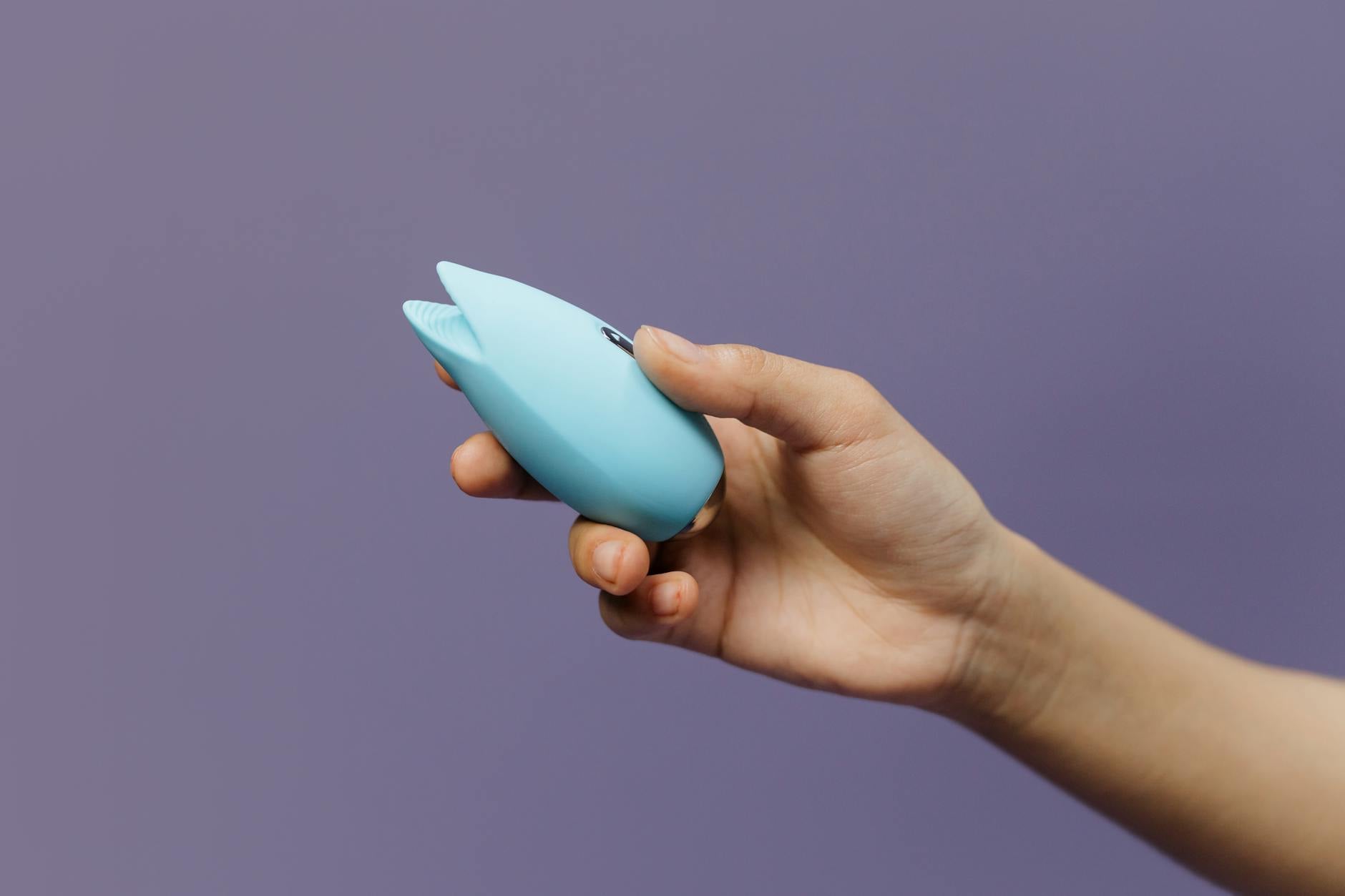
With a lemon clitoral vibrator specifically, the suction-based mechanism works by creating a gentle seal. That seal needs a tiny bit of moisture to work optimally. Without it, you get an awkward air gap, and the sensation flattens.
The good news: adding external lubrication fixes this instantly. You're not fixing yourself. You're creating the right conditions for sensation to work the way it's designed to.
Water-based lubricant is your first move
If you're going to change one thing, change this. A quality water-based lubricant is non-negotiable.
Here's why water-based and not silicone: silicone lube feels gorgeous and lasts longer, but it can damage silicone toys like the Lem vibrator over time. Water-based plays nicely with all materials and washes off easily.
How much do you actually need? Less than you think. A quarter-sized amount on your fingertip, applied directly to the clitoris before you start using your lemon vibrator, is usually enough. You can always add more if you need it mid-session.
The other benefit of water-based lube: it mimics natural lubrication in viscosity. It doesn't feel foreign or clinical. It feels like your body.
The warm-up becomes even more important
When natural lubrication is lower, rushing straight to your lemon vibrator is like trying to start a car without warming the engine. You're fighting friction instead of gliding through it.
I recommend at least 10 to 15 minutes of build-up before turning on any clitoral vibrator. This isn't punishment. This is foreplay.
What does that look like? Start with touch. Manual stimulation. Thigh clenching. If you have a partner, kissing and contact matter here. The goal is to trigger whatever arousal response your body still has, which will help with natural lubrication and also make the nerve endings more responsive.
Then apply your lube. Wait another minute or two. Your body will register the moisture and respond accordingly.
Starting with lower intensity patterns
This is where most people make a mistake. They assume that because there's less lubrication, they need to go harder or faster to feel something.
Opposite strategy works better.
With a lemon vibrator, start on pattern one or two (the gentlest settings). The suction sensation is more noticeable at lower intensities anyway, especially when tissue is sensitive. At higher intensities, you're just adding friction, which isn't what you want.
Let your body acclimate for a few minutes. You'll feel the sensation deepen as blood flow increases to the area and your nervous system calms down. This is when you can gradually move to a higher pattern if you want to.
Many people find they don't need to go higher. The lower patterns feel incredibly satisfying once the tissue has warmed up and responded.
Positioning changes everything
When lubrication is reduced, the angle of stimulation matters more than it usually does.
Lying on your back with your legs slightly bent is typically the sweet spot because it removes tension from the pelvic floor and gives you the best access to apply lube and position your lemon vibrator exactly where you want it.
If you usually use a lemon clitoral vibrator in other positions, test them first. Some angles create pressure that feels uncomfortable when there's less natural moisture. Others feel even better because of how they distribute the suction sensation.
You might also find that moving slightly during stimulation feels better than staying completely still. Small hip movements help distribute sensation and can intensify pleasure without adding mechanical friction.
Moisture-retaining techniques
Here's something counterintuitive: adding a tiny bit more lube and then waiting 30 seconds before starting your lemon vibrator gives your body time to absorb and distribute it. You'll have better sustained sensation.
Another trick: keep a small glass of water nearby. Dehydration affects vaginal lubrication, so staying hydrated before and during solo time can actually help your body produce more natural moisture.
Some people also find that reapplying lube midway through a session keeps everything comfortable. This isn't a failure. It's just maintenance. Your body isn't broken. It's operating differently right now, and you're adapting.
When to consider other approaches
If reduced lubrication is paired with pain, itching, or burning, you're dealing with something that might need medical attention. Genitourinary syndrome can happen at any age, and topical treatments (usually estrogen cream) are highly effective.
Talk to your doctor if lubricant alone isn't solving the problem. There are other options. But for most people, the combination of quality lube plus adjusted technique with lemon vibrators or other clitoral vibrators is enough to keep pleasure exactly where it needs to be.
The bigger picture
Reduced lubrication is temporary or manageable, depending on what's causing it. It's not a life sentence. It's a body signal that you need slightly different tools right now. Adding lubrication and adjusting your approach gives you exactly what you need.
Your pleasure doesn't expire. You're just learning a new version of how to access it.
People also ask
Can you use a lemon vibrator without lubricant?
You can, but it's not ideal. Without lube, you risk friction that feels sharp instead of pleasurable, and the suction mechanism doesn't seal as effectively. Even a small amount of water-based lube makes the experience noticeably better. If you're in a situation where you can't use lube, go gentler and shorter with your lemon clitoral vibrator and let your body guide you. But making lube a standard part of your setup is worth it.
How often should you reapply lubrication during a session?
Every 5 to 10 minutes is typical, though it depends on your body and the type of lube you're using. Some water-based lubes last longer than others. Pay attention to how sensation feels. If friction starts to return, add more lube. You'll quickly figure out your personal rhythm. There's no rule here. Listen to what feels good.
Is silicone lube ever okay with lemon vibrators?
Silicone lube feels luxurious and lasts a long time, but it can degrade silicone toys over time. Since most quality clitoral vibrators, including lemon vibrators, are made from medical-grade silicone, water-based is the safer choice. You can use silicone lube with glass or stainless steel toys, but stick to water-based with your lem vibrator.
Does reduced lubrication mean reduced sensation with clitoral vibrators?
Not if you adapt properly. In fact, some people find they have more control over sensation when they're using lube intentionally and starting at lower intensities. You're not losing nerve endings or capacity for pleasure. You're just removing friction as a variable and letting you feel the vibration more clearly.
Can hormonal changes affect how you use lemon vibrators?
Yes, absolutely. Hormonal shifts change lubrication, tissue thickness, and how quickly the clitoris becomes engorged. That's why technique that worked for you three years ago might need adjustment now. The good news: you're not starting from scratch. You're just fine-tuning. Adding lube, adjusting intensity, extending warm-up time. Small changes make a big difference. For more detail on this, read about how hormonal changes impact pleasure with lemon vibrators.
What if water-based lube isn't moisturizing enough?
Some water-based lubes are thicker and more hydrating than others. If you're finding yours dries out quickly, try a different brand or look for formulas labeled as "long-lasting." Hyaluronic acid in the ingredient list is a good sign. You could also use a tiny dab of coconut oil underneath your water-based lube for extra moisture (though coconut oil alone shouldn't be used with silicone toys). Experiment until you find what your skin prefers.
Why this matters for pleasure
Reduced natural lubrication is a logistics problem, not a pleasure problem. You're not broken. Your body just needs a different setup right now. Once you dial in your approach with lubrication and technique, you'll likely find your experience with lemon vibrators or any clitoral vibrator becomes more intentional and actually more satisfying.
You deserve sensation that feels good without work. Adding the right tools gets you there.