Let's start with the real gap
You might have had sex with a partner. You might have orgasmed with them. But if you've never brought yourself to orgasm when you're completely alone, here's the honest part: you don't actually know what your body is capable of yet.
This isn't a judgment. This is a fact that shapes everything that comes next. Solo pleasure is not partnered pleasure with the partner removed. It's a completely different experience. The pressure is different. The rhythm is different. What your body wants is probably different. And that matters.
Why solo exploration changes everything
When someone else is involved, you're managing their pleasure, their comfort, their pace, and their expectations alongside your own. Even if you love your partner and they're being considerate, there's a layer of performance happening. You're partly focused on whether they're enjoying it, whether you're taking too long, whether you're being weird about what you want.
Alone, all of that evaporates.
There's nobody to perform for. There's nobody to worry about. There's nobody timing you or getting impatient. This is the first time many people actually discover what turns them on, what rhythm works, what sensation makes their body respond. And it's wildly different from what happens in partnered sex.
Many clients tell me they had their first real orgasm alone in their 30s, 40s, or even later. They had orgasms with partners before, but they were performing a version of pleasure that matched what they thought was expected. Solo, they finally learned what their actual body wants.
The pressure you didn't know you were carrying
There's also a psychological piece here that matters just as much. When you're learning to pleasure yourself for the first time, you're not trying to prove anything to anyone. You're not anxious about how you look, whether you're doing it "right," or whether your partner thinks you're attractive.
This absence of judgment changes the nervous system. Arousal literally can't happen if you're in a state of threat or self-consciousness. The brain needs to feel safe before the body can respond. Alone, your nervous system can finally relax.
That relaxation is where everything starts.
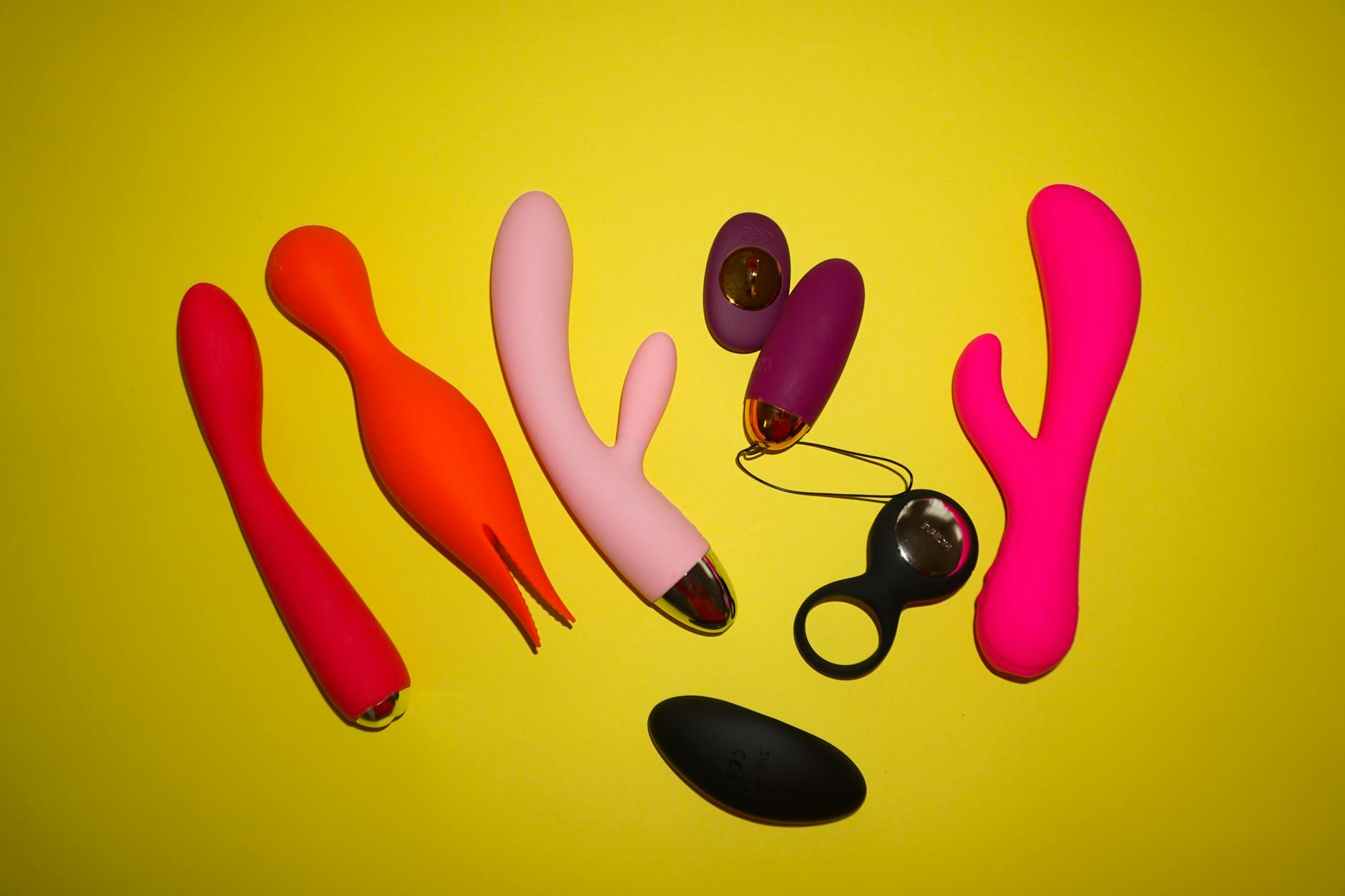
Why lemon vibrators work particularly well for first-time solo exploration
Lemon clitoral vibrators have a specific design that makes them excellent for discovery. They don't require you to do much except hold them in place. You're not managing your hand position, changing angles constantly, or adjusting pressure manually. The device does the work.
This is actually crucial when you're learning. Your only job is to notice what feels good, not to perform an action. You can lie still, keep your eyes closed, and focus entirely on the sensations in your body.
The suction-based design of a lemon vibrator also works differently than a traditional vibrator. It doesn't vibrate against the clitoris. It creates a gentle pressure and release sensation that feels more like a stimulation of the whole area rather than relentless buzzing on one point. For people experiencing orgasm alone for the first time, this gentler, broader sensation is often less intimidating and more effective.
How to set yourself up for success
There are five practical things that make the first experience much easier.
1. Privacy and time. Give yourself at least an hour, ideally when you won't be interrupted or worried about someone coming home. Your body can't relax if part of your brain is listening for footsteps.
2. Comfort over atmosphere. You don't need candles, rose petals, or a specific vibe. You need to be physically comfortable. Good lighting so you can see what you're doing. Your phone away. Temperature comfortable enough that you're not thinking about being cold.
3. Lubrication, always. Even if you feel like you don't need it, use it. Water-based lubricant helps the lemon vibrator glide smoothly, reduces any friction sensation you might find uncomfortable, and honestly makes the whole experience feel more enjoyable. It's not a sign that something's wrong. It's a tool.
4. Low expectations about outcome. You might not orgasm the first time. You might not orgasm the fifth time. That's completely normal. The goal right now isn't orgasm. The goal is to learn what touches and sensations feel good. If orgasm happens, great. If it doesn't, you've still discovered something valuable about your body.
5. Start slow and explore. Begin with your lemon vibrator on the lowest setting. Move it around gently. Notice where feels good and where doesn't. You're mapping your own body, not racing toward a finish line.
What to notice as you explore
Pay attention to what's actually happening in your body, not what you think should be happening. Are you getting warm? Is your breathing changing? Does a particular area feel more sensitive? Are you finding yourself naturally tensing certain muscles?
These are all signs that your body is responding, even if you're not having an obvious orgasm yet.
Many people also notice that it takes time for arousal to build when you're alone. This is especially true if you've spent years having sex where someone else initiated and controlled the pace. Your body might need 15, 20, even 30 minutes to really warm up. That's not slow. That's normal.
The mental piece you probably need to hear
If you were raised with messages that female pleasure isn't important, or that exploring your own body is wrong or weird, you might feel guilt or shame while doing this. I want to be direct about that.
This is your body. Your pleasure matters. Exploring what feels good is not selfish, not wrong, and not weird. It's actually necessary information. You can't communicate to a partner what you like if you don't know what you like. You can't experience pleasure if you're carrying shame about having it.
If the shame is loud, start smaller. Some people benefit from using a lemon vibrator in the shower with their eyes closed. Some people find it easier to explore with headphones in, music playing. You're allowed to make this work however it works for you.
When to reach out for support
If you try consistently over several weeks and nothing is working, if you feel significant emotional distress during solo pleasure, or if you suspect there might be a medical issue, talk to a therapist or gynecologist. They've heard everything. There's no shame in asking for help.
Some people benefit from working with a sex therapist specifically, especially if there's a history of trauma or significant anxiety around sexuality. That support can be incredibly valuable.
Most of the time, though, what helps is exactly what you're doing. Patience. Privacy. A tool that works with your body rather than against it. And permission to discover yourself without judgment.
FAQ: Your Solo Pleasure Questions
How long should it take to have your first orgasm alone?
There's no standard timeline. Some people take 10 minutes. Some take 45 minutes. Some take weeks of exploration before an orgasm happens. What matters is that you're not timing yourself. Pressure ruins arousal. Your body will respond in its own timeline.
Is it normal to feel self-conscious even when I'm alone?
Completely normal. That self-consciousness often comes from years of messages that female pleasure isn't important. Over time, as you practice and notice that nothing bad happens, that feeling usually softens. You might also find it easier to start with the lights dim or eyes closed while you're learning.
Do I need to use a lemon vibrator, or can I explore with my hands first?
Either path works. Some people find that a lemon clitoral vibrator makes the first experience easier because it removes the "am I doing this right" variable. Others prefer to explore with hands first. You're not wrong either way. Try whichever feels more comfortable.
What if I feel nothing at all?
Nothingness usually means you need more time, more lubrication, less pressure, or less distraction. It can also mean your body needs a different kind of stimulation than a lemon vibrator provides. Exploration isn't failure. It's information. If nothing works after genuine effort, a sex therapist or gynecologist can help rule out medical factors.
Can I use a lemon vibrator if I have a partner?
Absolutely. In fact, discovering your body alone first often improves partnered sex later. You know what you like. You can communicate what works. And your partner doesn't have to guess or feel responsible for your orgasm. Everyone wins.
Is it weird to take this long to explore my own body?
Not even a little. Most women are taught that their body exists for someone else's pleasure. Self-pleasure isn't on the curriculum. The fact that you're doing this now, whenever now is, means you're reclaiming something important. That takes courage. Own that.