Grief doesn't just change your mood. It changes your body's relationship to pleasure.
Honestly, no one warns you about that part. They talk about the fog, the fatigue, the way grief sits on your chest for months. But nobody mentions how desire can vanish completely, or how it can return on a timeline that has nothing to do with when you feel "ready." Both are normal. Both can be disorienting.
If you're emerging from grief and sensing that intimacy might be possible again, whether with a partner or alone, you're not behind schedule. You're exactly where you need to be.
What grief actually does to physical desire
Grief depletes the nervous system. When you're processing loss, your body is in a sustained state of low-level stress. Cortisol stays elevated, dopamine dips, and the signals that normally create arousal get crowded out by survival mode. Your brain is still working through the loss while your body is exhausted from that work. Physical pleasure registers as secondary at best, impossible at worst.
This isn't weakness. It's your nervous system doing exactly what it's supposed to do during crisis. But it means that when you start thinking about reconnecting with pleasure or a partner, your body might feel unfamiliar. Arousal might take longer. Sensation might feel muted. Touch that normally feels good can feel overstimulating or even triggering if grief has left you feeling raw.
The good news: your capacity for pleasure hasn't disappeared. It's just waiting for your nervous system to settle enough to access it again.
Why lemon clitoral vibrators work especially well during grief recovery
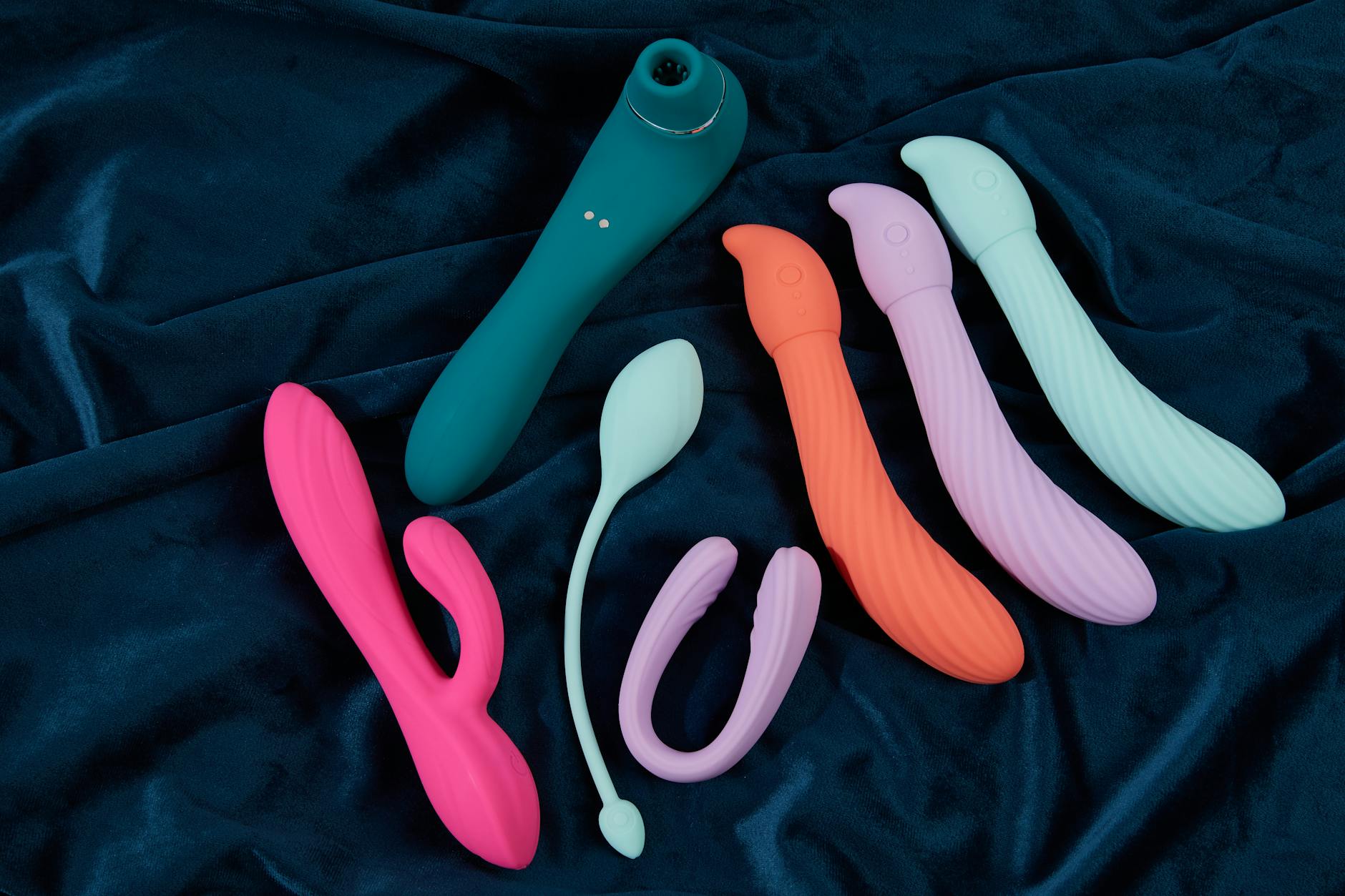
Lemon vibrators, particularly air-suction tools like the Lem, create a different quality of stimulation than traditional vibration. They work by gentle pulsing rather than rattling, which means they're less jarring for a nervous system that's been through trauma. That matters when you're healing.
They're also designed for solo exploration first, which is crucial when you're coming back to pleasure after loss. You can control the pace entirely. There's no negotiation, no pressure to perform for someone else, no need to coordinate your arousal with another person's timeline. That autonomy is therapeutic in its own right.
If you're rebuilding intimacy with a partner, lemon vibrators also create a low-pressure entry point into reconnection. Using one together can feel playful rather than pressured, and the focus on your pleasure specifically (rather than partnered sex) can take the performance anxiety out of getting started again.
How to restart solo pleasure when grief has made it foreign
Start by separating touch from expectation. The goal isn't an orgasm. The goal is sensation. Schedule 15 to 20 minutes where you're not interrupted. Lie down. Touch your body in the way you'd touch someone you're comforting. No goal. No destination.
When you feel ready to introduce the Lem or another lemon clitoral vibrator, start at the lowest setting. Let yourself feel what sensation is possible without any pressure to respond in a particular way. Some days you'll feel very little. Other days, your body will surprise you. Both are fine.
Breathe through any emotions that come up. Grief often surfaces during pleasure again. It's not a sign you shouldn't be doing this. It's usually a sign you're finally settling enough to feel multiple things at once. That's actually progress.
Rebuilding intimacy with a partner after loss
This is where grief gets complicated because you're not just healing individually. You're both grieving, and that grief might have different shapes and timelines. One of you might want to reconnect physically while the other still feels numb. That mismatch is real, and it's not a relationship failure.
The conversation matters more than the mechanics here. "I'm thinking about us again physically" is different from "I need physical connection right now." One is an invitation. The other is a need. Knowing which one you're expressing helps your partner understand what they're being asked to do.
If you're both ready to experiment with reconnection, lemon vibrators can be a surprisingly good bridge. They take the pressure off your body to respond in a particular way, and they can build arousal gradually in a way that doesn't feel rushed. Many couples find that introducing a tool removes some of the performance anxiety around "getting back to normal sex," because the focus shifts to pleasure and exploration rather than resuming what you used to do.
What grief-era pleasure actually looks like
It's usually slower. It's often quieter. You might find that emotional connection matters even more than before, because grief has taught you how fragile intimacy is. Orgasms might feel different when they return. For some people, they're more intense because the release is bigger. For others, they're gentler because the nervous system is still recalibrating.
You also might find that your desires have shifted. Loss changes priorities. Some people discover they want more physical affection but less sexual intensity. Others want more playfulness, less seriousness. Pay attention to what actually feels good rather than what you think should feel good.
The timeline is yours. There's no "normal" for coming back to intimacy after grief. Some people feel ready within weeks. Others take months or years. Neither is wrong. Your body will tell you when it's ready, if you listen.
When to seek support
If you're finding that pleasure feels impossible months after loss, or if touch triggers a fight-or-flight response, talking to a grief-informed therapist can help. They can help you process the loss and also help your nervous system regulate, which directly impacts your capacity for pleasure.
If you're partnered and the desire mismatch is creating tension, couples therapy specifically trained in grief work can be valuable. A good therapist won't push you toward sex. They'll help you both understand what you each need and how to stay connected while you heal.
The permission part
Your pleasure matters, even while you're grieving. Actually, especially while you're grieving. Physical pleasure is one of the ways your body knows it's still alive. It's not disrespectful to the person you've lost. It's not moving on too quickly. It's your nervous system beginning to trust that there's more to life than the loss.
When you're ready to explore lemon vibrators again, or for the first time, you're not rushing. You're opening a door that grief closed for a while. That's its own kind of courage.
FAQ: Grief and rebuilding physical intimacy
Is it normal to feel guilty about wanting pleasure again after loss?
Completely normal. Grief often comes with complicated guilt. The fact that you can laugh, or feel aroused, or want pleasure can feel like a betrayal of the person you've lost. But pleasure isn't disrespect. Your body's capacity to feel good is separate from your love for or memory of the person who's gone. Millions of people navigate this. It's not a sign you're healing wrong.
How long after a major loss should I wait before trying to have sex again?
There's no timeline. Some people need weeks, others need years, and both are completely valid. The measure isn't time. It's whether your nervous system feels settled enough. You'll know you're getting close when touch stops feeling threatening and starts feeling like something you might want.
Can a lemon vibrator help with grief-related numbness?
Yes, often. Numbness is a grief response, and gentle stimulation can help your nervous system reconnect to sensation. Start slowly. The goal isn't to force arousal but to help your body remember what pleasure feels like. Sometimes that's the bridge back.
What if my partner and I have different timelines for wanting intimacy again?
This is one of the hardest parts of grieving as a couple. The person who's ready first often feels lonely. The person who needs more time feels pressured. Talking about it outside the bedroom is crucial. So is non-sexual physical affection. Holding hands, hugging, sleeping skin-to-skin. That maintains connection while you both heal on your own timelines.
Should I use a lemon vibrator alone or with my partner when coming back to pleasure?
Both. Starting solo gives you a chance to reconnect with your own body without pressure. When you introduce it with a partner, it's less loaded because you've already explored what feels good. Solo exploration is your baseline. Partnered play builds from there.
Is it possible to have the same kind of pleasure after grief as before?
Probably not the same. Grief changes you. But that doesn't mean it's worse. Many people find that their pleasure deepens after loss, because they understand how fragile and valuable it is. Your body after grief might surprise you in good ways.
What comes next
Grief isn't something you get over. It's something you integrate. And pleasure, physical connection, and intimacy are all part of that integration. When you're ready to explore those things again, whether with a partner or alone, you're not abandoning your grief. You're honoring the fact that you're still here, still alive, and still capable of feeling good.
That matters. You matter. And your pleasure, whenever you're ready for it, matters too.
If you want to talk through what rebuilding intimacy might look like for your specific situation, we're here.