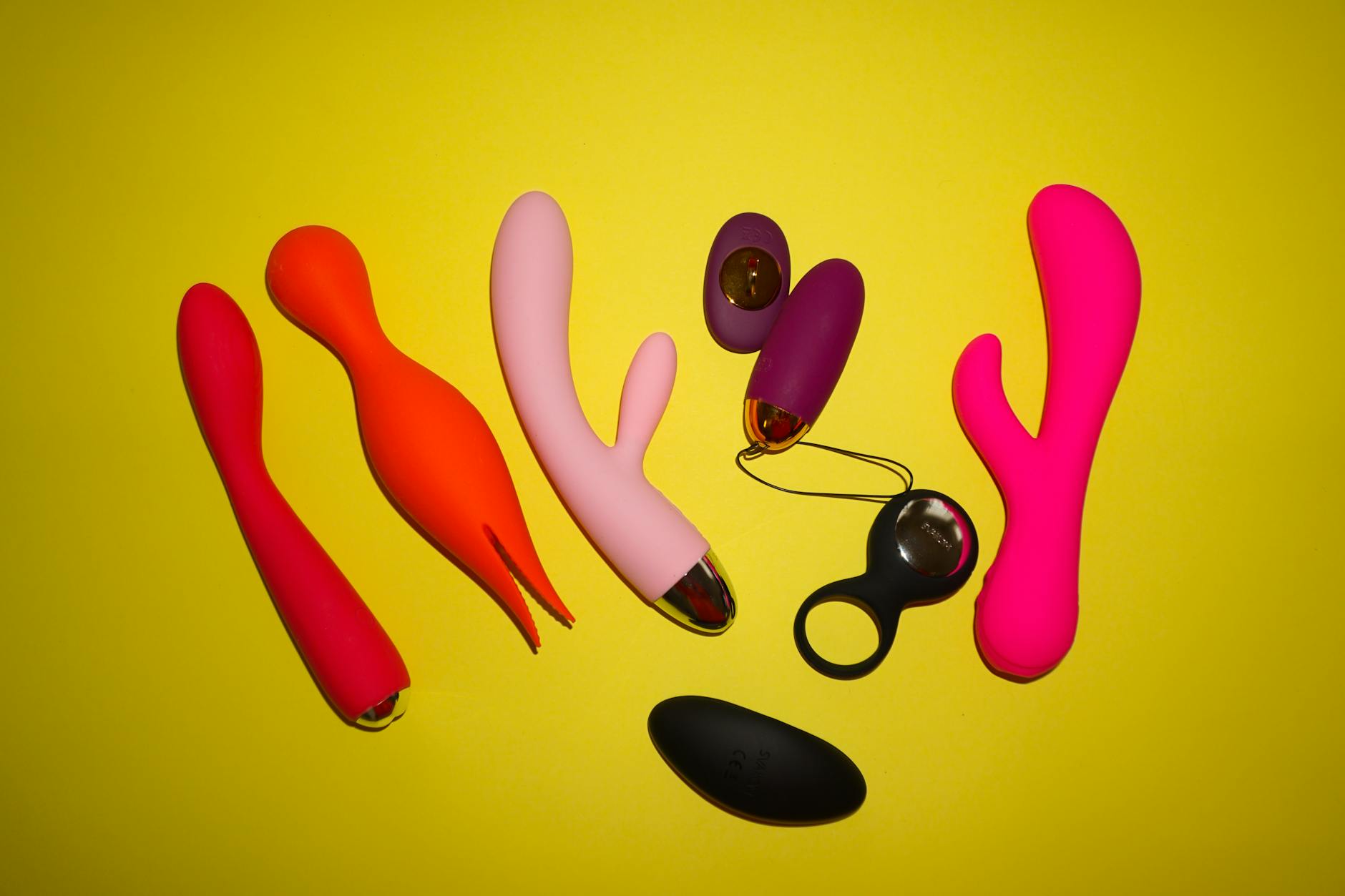
Here's what nobody tells you about pleasure after 30
Your body isn't declining. It's deepening. After your thirties, something shifts in how you experience touch, arousal, and orgasm. Many people report their most intense, most satisfying experiences happen in their forties, fifties, and beyond. It's not a feel-good myth. It's real neurology and real anatomy meeting experience and permission.
But it does mean the techniques that worked at twenty-five might not be your sweet spot anymore. That's especially true with clitoral stimulation tools like lemon vibrators, which deliver precise suction and vibration. Understanding how your body's changed means understanding how to use them better.
What actually changes in your clitoris after 30
Your clitoris doesn't shrink or lose sensation. What changes is the surrounding tissue architecture and how your nervous system processes stimulation. After thirty, the clitoral glans often becomes slightly less responsive to direct, sustained pressure. But here's the plot twist: your capacity for deeper, more nuanced sensation actually increases.
Think of it like this. In your twenties, clitoral pleasure might be a bright spotlight. Intense, obvious, fast. After thirty, it becomes more like ambient light. Broader, slower to build, but often more immersive and longer-lasting once it does.
This is partly hormonal (testosterone and estrogen levels naturally fluctuate), partly neurological (your brain gets better at integrating sensation), and partly experiential (you know your body better, which is its own kind of superpower).
Why lemon vibrators work differently for you now
A lemon vibrator or clitoral suction toy works by creating rhythmic suction and pulsing patterns that stimulate the nerve endings around the clitoral complex. In your twenties, you might have chased intensity. More power, faster patterns, maximum speed.
After thirty, the calculus shifts. Your nerve endings are more easily overstimulated by constant high intensity. But they're also more capable of detecting subtlety. Lower suction settings, slower pulse patterns, and longer warm-up times often deliver bigger, more satisfying responses than raw power ever did.
Many people find that the lower intensity settings on devices like the Lem vibrator become their favorites in their thirties and beyond. You're not losing sensitivity. You're gaining sophistication.
The arousal timeline you should expect now
Arrangements matter. After thirty, expect arousal to build more slowly and more deliberately than it did in your twenties. This isn't a problem. It's actually an advantage if you're willing to adjust your expectations.
Instead of aiming for five-minute arousal and orgasm cycles, budget fifteen to twenty minutes. Spend time on external stimulation before introducing the lemon vibrator. Let your body warm up with touch, breathing, or fantasy before you reach for the toy.
This extended timeline often leads to longer, more satisfying sessions overall. You're not rushing. You're exploring. And that shift in pacing frequently leads to more intense, longer-lasting orgasms.
Three technique shifts that work better after 30
First: start with pattern, not power. Instead of jumping to the strongest setting, begin with a medium or lower intensity pattern and let your body respond. You can always increase. You can't un-overstimulate.
Second: angle matters more now. The clitoris isn't just the visible bud. It's a complex structure with roots extending internally. After thirty, experimenting with different contact points and angles often reveals new favorite zones. Don't assume you know the exact spot from your twenties.
Third: incorporate pauses. Instead of continuous stimulation, try five seconds on, three seconds off, five seconds on. The pause allows sensitivity to reset and often intensifies sensation when stimulation resumes. This technique becomes increasingly rewarding as you get older.
Why sensation often improves with communication and self-knowledge
Your thirties, forties, and beyond are when most people develop genuine expertise about their own bodies. You know what doesn't work. You've figured out what does. You're less apologetic about pleasure and more direct about claiming it.
If you're partnered, this usually means better outcomes too. You can articulate what you want. You can show them what works. The combination of physical changes plus emotional permission often creates a perfect storm of better pleasure.
For solo play, this translates into less performance anxiety and more genuine exploration. You're not performing pleasure for anyone. You're experiencing it for yourself. That frame shift alone transforms the whole experience.
Managing intensity without losing sensation
If you find that standard vibrator intensities feel overwhelming on your clitoris after thirty, you're not broken. Your nerve endings have shifted their preferences. Here's what actually helps.
Layering lubrication reduces direct contact friction while maintaining stimulation. A small amount of water-based lubricant between your skin and the toy cushions intensity while preserving sensation.
Timing matters. Many people find that mid-morning or early evening is more responsive than late night, when nerve sensitivity is lower. Experiment with when you play and notice the difference.
Final tip: the warm-up is now your most important tool. Spend genuine time with manual stimulation, partnered touch, or mental focus before introducing toys. That preparation period pays dividends in response and satisfaction.
Common concerns after 30, answered
A lot of people worry their clitoris is less sensitive. The truth is more nuanced. It's sensitive to different things now. You might notice that lighter touch feels more interesting than heavy pressure, or that slower patterns create more intensity than fast ones. That's not loss. That's evolution.
Some people also worry about orgasm speed. Yes, orgasms might take longer to build. But longer build time often translates to longer, more intense release. Speed isn't the measure of good sex.
If you're noticing pain during use, read our guide on how to overcome vulvar pain during lemon vibrator use. Pain is information that something needs to adjust.
If you're curious about whether clitoral suction toys might be right for you, the fundamentals haven't changed. Lemon vibrators work for sensitive clits across all ages, but your specific preferences will almost certainly shift. That's not a reason to stop exploring. It's a reason to adjust how you explore.
The best part about getting older
Sex gets better for most people after thirty. The research is clear on this. Women, in particular, report more satisfying, more frequent, and more intense orgasms in their forties and fifties than they did in their twenties.
Part of it is body knowledge. Part of it is reduced performance anxiety. Part of it is hormonal shifts that actually benefit sensation in many cases. And part of it is simply having better tools and better communication.
Your thirties aren't a decline. They're an ascent. Your clitoris isn't losing power. It's gaining sophistication. The lemon vibrators and clitoral toys that seem like upgrades? They're not upgrades because you've gotten worse. They're upgrades because your body is better at experiencing pleasure when it's done right.
If you're new to exploring with lemon sexual toys, start with a tool designed for sensitivity and precision. If you already have a favorite device, consider experimenting with lower settings, longer warm-ups, and more intentional pacing. Your body will thank you.
Frequently asked questions
How do I know if my clitoris is less sensitive or just prefers different stimulation?
The clearest test: does stimulation feel good, just different than before? If yes, you're experiencing natural evolution. If stimulation feels numb or painful, that's worth discussing with a provider. Sensitivity usually peaks in your thirties and forties, so genuinely decreased sensation at that age is uncommon unless something else is happening medically.
Can lemon vibrators help if I'm struggling with slower arousal after 30?
Absolutely. The precision of suction-based lemon clitoral vibrators often works better with slower arousal because they can sustain targeted stimulation while your nervous system gradually wakes up. Where manual stimulation might be tiring over twenty minutes, a lemon vibrator maintains consistent pressure and pattern. It's often the perfect match for post-thirty arousal timelines.
Is it normal for my orgasms to feel different after 30?
Completely normal. Many people describe post-thirty orgasms as deeper, longer, and more full-body. Some describe them as more localized but more intense. The variation is huge. What matters is whether the sensation feels good to you, not whether it matches what you experienced at twenty-five.
Should I switch vibrator types as I get older?
Not necessarily. But you might switch settings, techniques, or how you incorporate them into play. A lemon vibrator you loved at twenty-five can still be great at thirty-five. You're just using it differently. That said, some people find that suction-based toys become their favorites as they age because they offer more nuance than straight vibration.
What if I'm having pain with toys that used to feel good?
Pain is information. It usually signals either vulvar tissue sensitivity or misalignment. Read how to overcome vulvar pain during lemon vibrator use for specific strategies. Often the solution is lubrication, timing, or technique, not abandoning toys you love.
How long should arousal actually take after 30?
There's no should. But the average shifts from about five to ten minutes in your twenties to fifteen to twenty-five minutes in your thirties and beyond. Some people need less. Some need more. What matters is giving your body the time it actually needs instead of trying to rush it.
The bottom line
Your body after thirty isn't a downgrade of your body at twenty-five. It's a different, usually better version. Pleasure deepens. Sensation becomes more nuanced. Orgasms get bigger and longer. The cost is patience and adjustment. The payoff is extraordinary.
If you're exploring with lemon vibrators or any clitoral vibrator, tune into what actually feels good now, not what felt good ten years ago. Your best sexual experiences probably aren't behind you. They're ahead of you, waiting for you to catch up.