Let's be real about this
Recovering from sexual trauma and rebuilding pleasure isn't linear. There's no timeline, no "right" way to do it, and absolutely no pressure to want sex again if you don't. But if you're reading this, you probably want to reclaim some version of pleasure on your own terms. That's a different conversation than healing itself. Healing happens with a trauma-informed therapist. Pleasure, when you're ready, can happen with tools that feel safe, controllable, and wholly yours.
Lemon vibrators, especially clitoral vibrators like the lemon sucker technology, can be part of that reclamation. Not because they're magic, but because they put you in complete control. You set the pace. You set the pressure. You can stop instantly. That agency matters more than any particular device.
Why lemon clitoral vibrators work differently for trauma recovery
Most vibrators feel like something external imposing sensation on you. Lemon sexual toys, especially suction-based clitoral vibrators, work by responding to your body's contact. You control the intensity, the duration, the exact moment it stops. That's not a small distinction. For someone rebuilding trust in their own body and in sensation itself, that control is foundational.
The suction mechanism also means gentler, more diffuse stimulation than traditional vibration. There's no concentrated buzzing, no intensity that can feel overwhelming or intrusive. The sensation builds gradually, which mirrors how pleasure should actually work in healing. You're not forcing anything. You're inviting sensation, pausing when you need to, and never pushing past a boundary you didn't set yourself.
Starting: building tolerance before pleasure
If you haven't been intimate with yourself in years, or if touch itself feels triggering, this step matters. Before using any lemon clitoral vibrator, spend time reconnecting with basic, non-sexual touch.
Start with something that feels completely safe. A soft blanket. Your own hand on your arm. Notice what feels okay. Notice what doesn't. This isn't about pleasure yet. It's about relearning what your body's signals feel like when you're in charge.
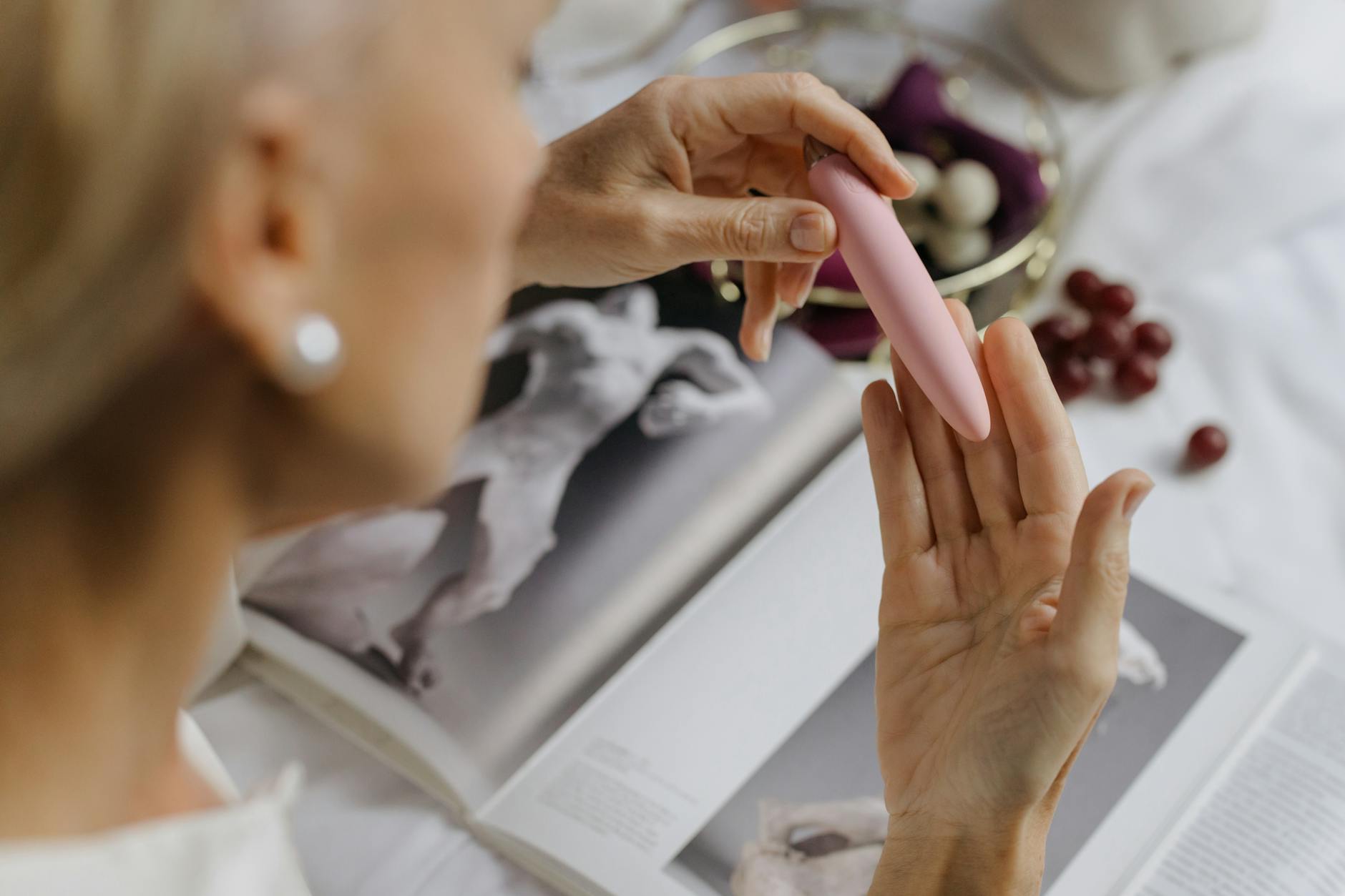
When you're ready to introduce the vibrator (and this could take weeks or months, which is fine), start with it completely off. Hold it. Look at it. Let it be in your space without expectation. Lemon sexual toys are designed to be beautiful objects, not clinical ones. That matters. You're not medicating yourself. You're exploring.
Using lemon vibrators slowly: the actual practice
Here's a structure that many people find helpful.
Set the scene around yourself, not around someone else's fantasy. What makes you feel safe? Locked door. Specific music. Daylight or darkness. Whatever that is, create it. This is about your nervous system feeling held.
Start with the lowest setting or pattern. Most lemon vibrators have multiple intensity levels. Even the lowest can feel intense if you're just beginning. That's normal. Start there anyway. Let your body adjust to the sensation of the device in contact with your vulva.
Use it for 30 seconds. Then stop. You read that right. Thirty seconds. Check in with yourself. What do you notice? Does it feel okay? Do you want to keep going, or does your body want to pause? This builds the feedback loop between your mind and your body. You're training your nervous system to trust that you're in charge.
Gradually extend the time as it feels right. This might take weeks. That's fine. There's no finish line here. Some days you'll want to explore for longer. Some days thirty seconds is perfect. Both are correct.
Introduce lubrication. Water-based lube isn't just about comfort. It also reduces any sense of friction or forcing, which can be psychologically important when you're recovering. Use it generously.
When your body freezes or goes numb
This happens. Trauma survivors often describe a disconnect between wanting to feel pleasure and their body's inability to register sensation. It's a protective mechanism. Your nervous system learned to shut down as a survival strategy.
If this happens, stop. Don't push through it. Instead, use the lemon vibrator differently. Some people find that using it through clothing, or on other parts of the body first (inner thighs, breasts, hands), helps the nervous system warm up without the vulnerability of direct genital contact.
Others benefit from combining the vibrator with grounding techniques. Feel your feet on the floor. Name five things you can see. The vibrator becomes one part of a larger practice of staying present in your body, not escaping it.
Managing pain and pressure sensations
Pain isn't always a sign something is wrong. But in trauma recovery, pain can also be a sign your nervous system isn't ready. Learning the difference is the work.
Sharp pain, burning, or stabbing sensations: stop and pause the practice for a few days. Your body might need more time.
Aching, mild tension, or a sense of pressure building: this is often normal as your pelvic floor reawakens. The lower intensity settings on lemon clitoral vibrators are ideal for this. Let the sensation be gentle. You can also try how to use lemon vibrators when pelvic floor tension blocks orgasms for additional strategies.
What pleasure might actually look like
Here's the hardest part of trauma recovery: letting pleasure be different than it was before. You might not feel the urgent, overwhelming sensation you remember from before the trauma. You might feel something quieter. Steadier. More internal.
That's not worse. It's not broken. It's just different. And for some people, it's actually more genuine because it's untethered from the narratives around what pleasure "should" feel like.
Some people orgasm. Some people just feel a pleasant building sensation and that's enough. Some people use lemon vibrators regularly and never orgasm, but they love the 10 minutes of time spent reconnecting with their body. All of these are valid.
The role of a partner, if you have one
If you're in a relationship, this exploration doesn't have to stay solo. But it should start solo. You need to know what feels safe to you before someone else is involved. Some trauma survivors find that exploring partnered pleasure after years of solo play becomes possible once they've rebuilt that internal sense of safety.
When and if a partner gets involved, the rules stay the same. You're always in control. The device stays your tool. You can ask your partner to hold it, but you set the speed, the duration, everything. Communication before, during, and after is essential.
Knowing when to get professional support
A lemon vibrator is a tool for reclaiming pleasure, not a substitute for trauma therapy. If you're experiencing intrusive thoughts, flashbacks, or overwhelming anxiety during these explorations, pause and talk to a trauma-informed therapist. They can help you process what's coming up.
The same is true if you're stuck in a place where the device feels activating rather than healing. A good therapist can help you understand whether you need more time, a different approach, or support processing the barriers that are showing up.
Your body's healing is not something you should rush or white-knuckle through alone.
FAQ: Common questions about lemon vibrators and trauma recovery
Is it normal to feel nothing when using a clitoral vibrator after trauma?
Yes. Numbness is a protective response. Your nervous system learned to disconnect from sensation as safety. That doesn't mean feeling will never return. It often does, but usually slowly and with patience. Some people benefit from focusing on non-genital touch first, or using the vibrator in very short bursts (under one minute) to gradually reintroduce sensation without overwhelming the nervous system.
Can lemon sexual toys help if I have vaginismus or pain with penetration?
Yes, but with caveats. Lemon vibrators are clitoral, not penetrative, so they don't trigger the same pelvic floor tension that penetration might. Using them can actually help relax the pelvic floor over time. But if pain appears during use, check with a pelvic floor physical therapist or trauma-informed gynecologist. Pain is information, and you deserve professional eyes on it.
How long before I can use a lemon vibrator with a partner again?
There's no timeline. Some people feel ready after weeks. Others take years. The readiness usually comes when you've rebuilt enough trust in your own body that having someone else involved doesn't feel like a threat. That's the real marker, not calendar time.
What intensity setting should I start with for trauma recovery?
Always the lowest. Even if you used strong vibrators before the trauma, your nervous system might need to relearn sensation slowly. Lemon clitoral vibrators have multiple intensity options because bodies recovering from trauma often benefit from starting gentle. You can always increase later. You can't take intensity back once it's been too much.
Is it okay to use a lemon vibrator if I'm not ready to orgasm?
Completely okay. Some people use lemon vibrators just for the sensation. No goal. No finish line. Just ten minutes of reconnecting. That's a legitimate and often more healing way to start.
Will using a vibrator after trauma make me dependent on it for pleasure?
No. Vibrators are tools, not crutches. If anything, they often help people understand their own arousal patterns better, which makes pleasure easier to access without them later. But even if you prefer using a lemon vibrator long-term, that's also fine. Your pleasure is yours to design.
What comes next
Recovering your capacity for pleasure after trauma is brave work. It's not linear. Some weeks you'll feel ready and connected. Other weeks your nervous system will need to regroup. Both are part of the process.
Lemon vibrators can be a gentle tool in that journey, but they're not the whole journey. The real work is learning to trust yourself again. The device is just one way to practice that trust in a body that feels safe, controlled, and wholly yours.
If you're struggling with where to start, or if you want to talk through what might work best for your specific situation, reach out to us. We're here to help you figure out what tool, if any, makes sense for where you are right now.