Let's start with the thing nobody tells you
Antidepressants work. They steady your mood, quiet the noise, keep you alive. And then, quietly, they can flatten the one thing that felt like pure relief. Orgasm gets slower, harder, or disappears entirely. Some people describe it as numbness. Others say sensation just takes forever to build. The worst part? Your doctor probably didn't mention it as a side effect, so you figured something was wrong with you.
It's not. Sexual dysfunction from SSRIs and other antidepressants is real, common, and reversible. Most importantly, it's solvable without quitting medication.
Why antidepressants change orgasm
SSRIs (selective serotonin reuptake inhibitors) work by increasing serotonin availability in your brain. The problem is that serotonin also regulates arousal and the release of nitric oxide, the molecule that triggers the physical cascade of orgasm. More serotonin in mood centers can mean less in the sexual response pathways.
Different medications hit differently. Sertraline and paroxetine are notorious for sexual side effects. Bupropion and some others affect the brain differently and may cause fewer problems. But even low-side-effect medications can flatten sensation for some people.
Here's what happens neurologically: the orgasm pathway requires a chain reaction. Arousal has to build steadily. Your body needs to hit a threshold of stimulation intensity and duration to trigger the reflex. Antidepressants can lengthen that timeline, raise that threshold, or numb the signals along the way.
The clitoral solution (and why it actually works)
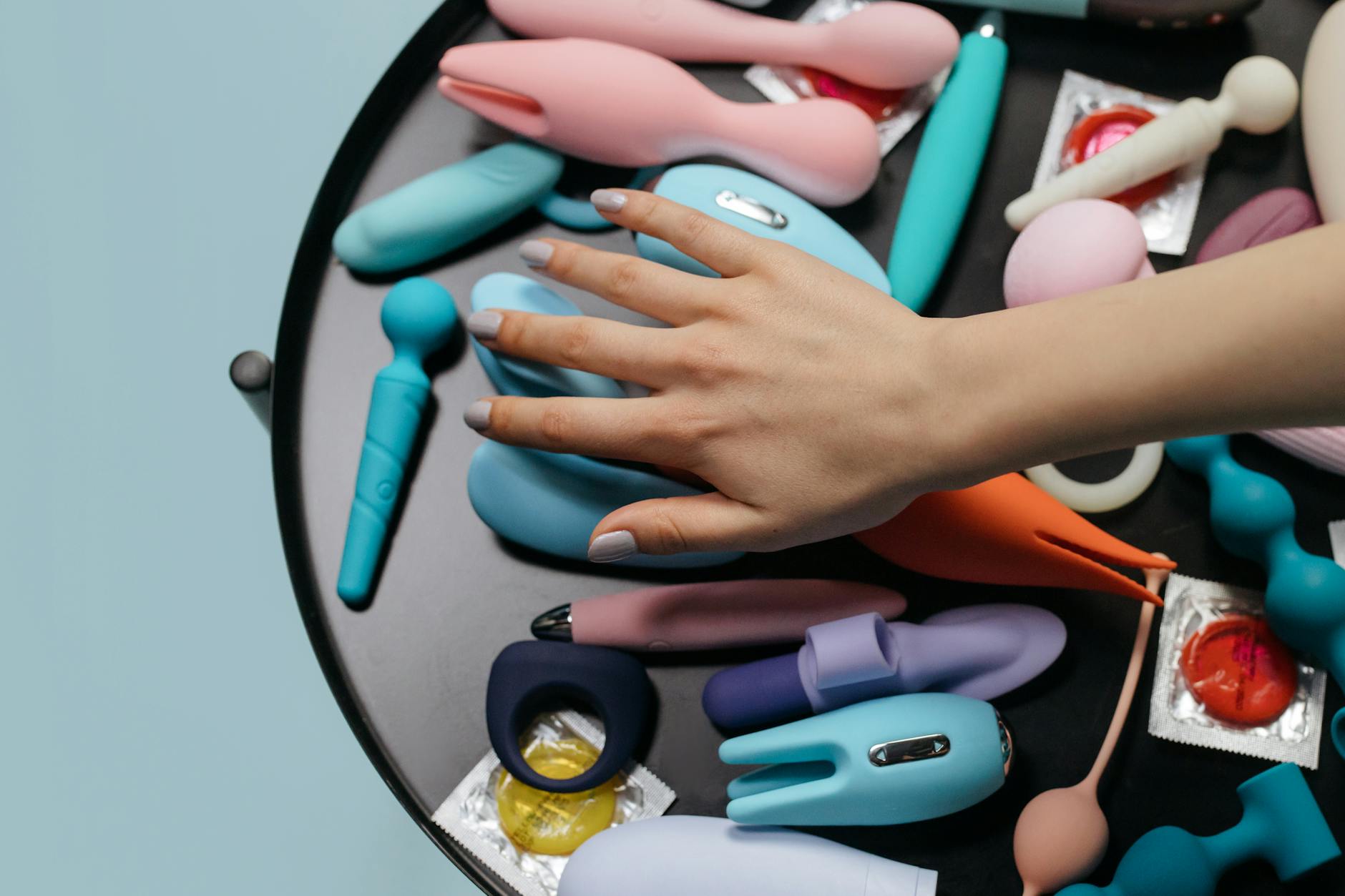
This is where lemon clitoral vibrators come in. You're not trying to overcome your medication. You're bypassing the problem.
Clitoral suction vibrators like lemon sexual toys work through a different mechanism than your brain's serotonin regulation. Instead of waiting for arousal to build naturally through the serotonergic pathways, they deliver consistent, intense stimulation directly to the clitoris. The suction creates a pressure and release cycle that mimics the body's own orgasmic pattern.
Why this matters: you're not asking your flattened serotonin system to do more. You're providing external stimulation intense enough to trigger the orgasmic reflex regardless of how much sensation is present. It's the difference between pushing a car that won't start and getting a jump.
People on SSRIs report that clitoral vibrators, especially lemon sucker-style devices, help them reach orgasm faster and with less frustration than partnered sex or fingers alone. The intensity and consistency do the heavy lifting your brain chemistry temporarily can't.
Practical setup for medication-related numbness
If antidepressants have flattened your pleasure response, start here.
First, warm up longer. Your body is not broken. It just needs more time and more sensation to reach threshold. Budget 20-30 minutes instead of 10. Don't rush. The goal is to let arousal build as much as it can before you add the vibrator.
Use lube, even if you don't think you need it. Antidepressants can affect vaginal lubrication too. Water-based lube reduces friction and makes sensation feel less numb. It's not a fix, but it helps the vibrator work better.
Start on a lower intensity setting. This sounds backward when numbness is the problem, but here's why. If you jump straight to the highest setting, your body may adapt and stop registering sensation. Build intensity slowly through the settings. Let your nervous system wake up gradually.
Position matters. Lying on your back, legs relaxed, is the easiest entry point. Legs spread wide or angled up. You want zero tension in your pelvic floor. Tension makes everything harder.
Don't expect to feel the same as before. This is crucial. Your orgasm might feel different now, and that's not a failure. Some people describe post-SSRI orgasms as less intense but more diffuse. Others say they're concentrated. Neither is worse. Different is information.
When to talk to your doctor about medication changes
Lemon vibrators and lube will solve this for most people. But sometimes they won't. Sexual dysfunction that doesn't improve with external tools is worth revisiting with your prescriber.
Your options include timing dosages (taking your medication at night instead of morning, so it's less active during intimate time), switching to a medication with fewer sexual side effects, or adding something like bupropion that counteracts SSRI sexual effects.
These conversations feel awkward. Do it anyway. Your doctor has had versions of this conversation hundreds of times. You're not the first, and you won't be the last.
The mental piece (maybe the bigger one)
Here's what I see in my practice: people stop trying sexually because the anticipation of numbness feels worse than numbness itself. They avoid intimacy. Their partner interprets it as rejection. Then shame builds, and suddenly the sexual problem becomes a relationship problem too.
The vibrator isn't magic. What changes is expectation. You try something designed to work, it works, and suddenly you believe again that pleasure is possible. That belief matters more than the device.
But the device helps. Sometimes that's enough to crack the door open.
The combo approach works best
If you have a partner, this gets interesting. How to Use Lemon Vibrators When Your Partner Wants to Get Involved covers this more deeply, but the basic principle is that external stimulation plus partnered connection can work better than either alone.
Your partner touches you. You use the vibrator. You're both focused on sensation without performance pressure. Antidepressant or not, this is the gentlest way to orgasm: support plus intensity.
Timing and consistency matter
Your brain and body adapt to stimulation. If you use the same vibrator at the same intensity every time, sensation can numb out further. Vary the patterns. Switch settings mid-session. Take breaks. Your nervous system needs novelty to stay responsive.
Also, give it time. Sexual recovery on antidepressants doesn't happen in one session. If you've been numb for months, expect 2-4 weeks of regular use before things shift. That's not a long time. That's just your body recalibrating.
Why lemon clitoral vibrators specifically
Clitoral suction toys like the lemon vibrator deliver pressure through suction rather than vibration alone. For people on SSRIs who describe numbness, this pressure-and-release pattern often works better than straight vibration. It's more intense, more rhythmic, and more similar to the body's own orgasmic reflex.
Plus, they're reliable. You're not guessing whether this will help. Thousands of people report success with this exact approach.
People also ask
Can I use a lemon vibrator while taking antidepressants?
Completely yes. There's no interaction between antidepressants and clitoral vibrators. In fact, for people experiencing sexual side effects from their medication, vibrators are one of the first things I recommend trying before considering medication changes.
How long does it take to feel sensation return after starting a vibrator?
Most people notice a shift within 2-4 weeks of regular use, a few times a week. Some feel improvement much faster. But be patient. You're not forcing sensation back. You're reminding your body what sensation feels like. That takes time, especially if you've been numb for months.
Should I use lube with lemon sexual toys if I'm on antidepressants?
Yes. Antidepressants often reduce natural lubrication, and lube makes the vibrator's stimulation feel less numb and more pleasurable. Water-based lube works with all silicone toys and won't degrade them. It's not cheating. It's just smart physiology.
What if I still can't orgasm even with a vibrator?
First, give it time. Second, check your dosage timing with your doctor. Third, consider whether anxiety or expectation pressure is blocking you. Sometimes the numbness is neurological. Sometimes it's psychological. A therapist who specializes in sexual health can help distinguish. If the vibrator alone isn't working, you might benefit from talking to both a prescriber and a sex specialist together.
Can I combine my antidepressant with a different medication to fix sexual side effects?
Possibly. Bupropion is sometimes added to SSRIs specifically to counteract sexual dysfunction. Other options include timing changes or switching medications entirely. These conversations happen between you and your doctor. There's no one-size-fit-all answer. But the point is: this is fixable.
Is numbness from antidepressants permanent?
No. For most people, sensation returns once the body adjusts or once medication changes are made. Some people notice sensation creeping back on its own after a few months. Others need an intervention like a vibrator or a medication adjustment. But permanent numbness is rare and almost always reversible.
Antidepressants are a win. So is pleasure. You don't have to choose between them. It just takes a little knowledge about how your body works on medication, the right tool, and patience. A lemon clitoral vibrator can be that bridge. Start there, trust the process, and know that you're not broken. You're medicated. And your body knows how to feel good again.